“Tell me and I forget, teach me and I may remember, involve me and I learn”
Benjamin Franklin
Introduction
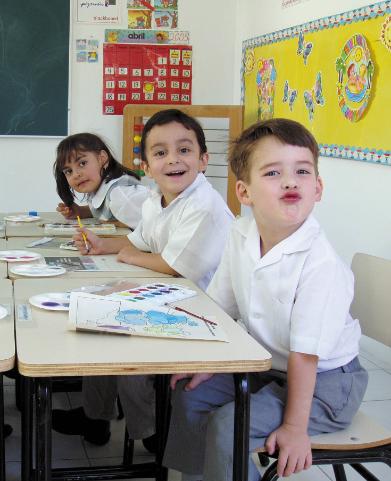
Welcome to my classroom, where children have the opportunity to learn and practice new skills.
I created this page to provide parents with a look into my classroom.
I hope that you find this helpful!
My Philosophy
I believe that my role as an educator is to facilitate learning in a stimulating and safe environment. With a background in child development, I am an advocate for developmentally appropriate practices.
Students have the opportunity to ask questions, predict, examine, explore, create, and make mistakes. Music, movement, and stories are used in the curriculum to promote language skills, reinforce new concepts, and promote retention. In addition, students are encouraged to practice appropriate social skills that will help to sustain them throughout their academic careers.
I have worked with many age groups, but Pre-K and kindergarten are my favorites. The children bring so much enthusiasm and curiosity to the classroom. I enjoy watching their confidence grow as they accomplish a skill and move on to the next.
About Me
My Professional Educators License is for K-9th with Middle School endorsements for social studies and science. I also hold an Illinois level 5 credential in early childhood education.
All about our class
We often use music for learning - Check out the YouTube videos at the end of this page
Some of the things you will see in this classroom:
Whole/small group activities
Children's Literature
Expanding vocabulary
Hands-on learning
Exploration and STEM
Music & Movement
Fine motor & Large motor activities
Children play with a purpose
Choice time
Communication & Social Skills practice
Differentiated lessons to meet the needs of the children
A proactive classroom management style
Language Arts
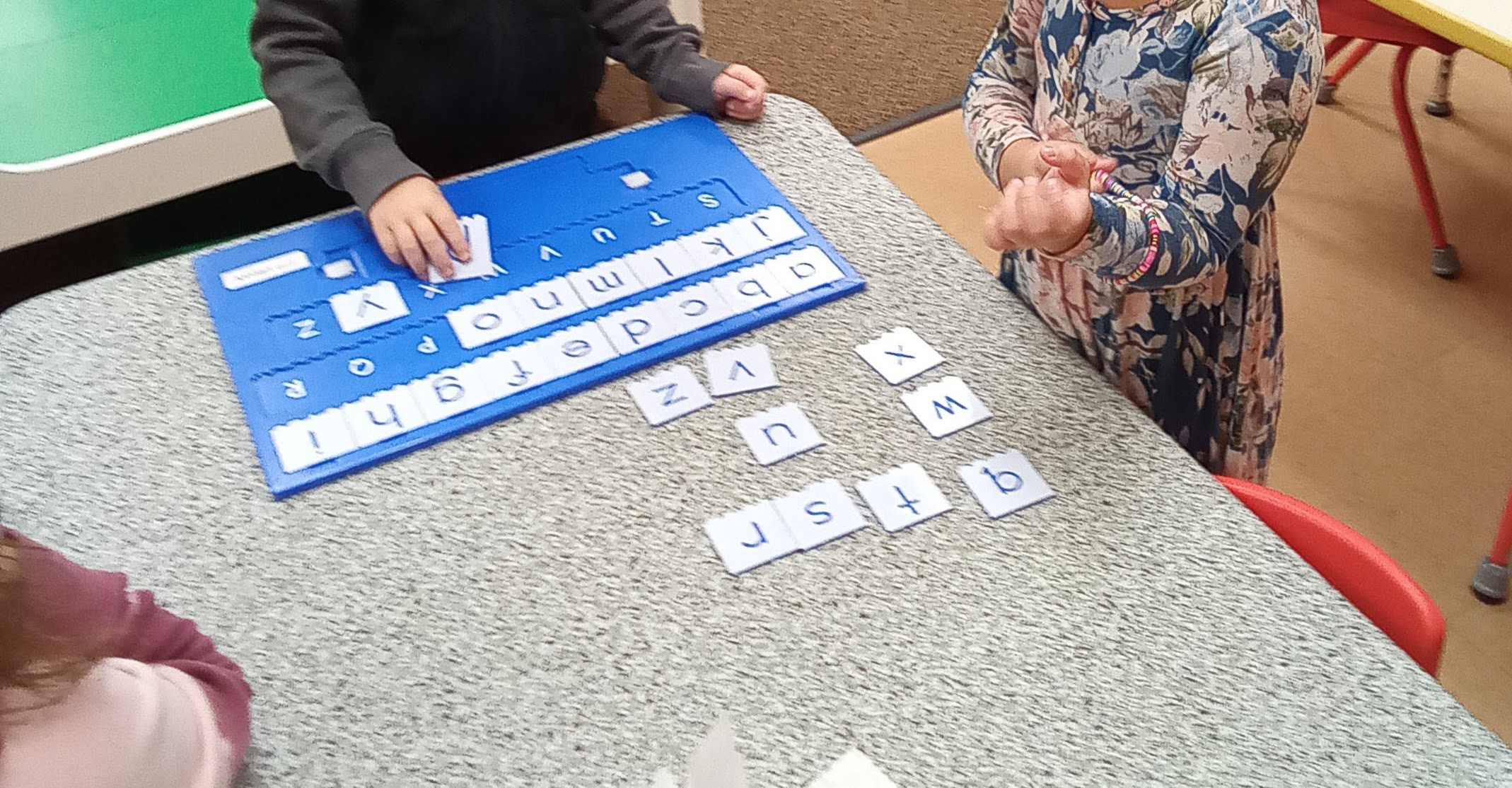
We use many techniques to work on alphabet recognition, letter sounds, phonemic awareness, and blending.
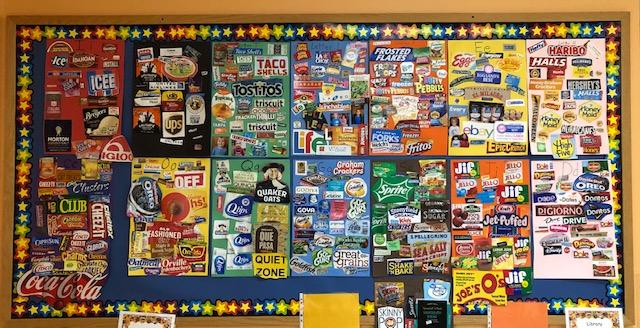
A Class favorite: the children search at home for specific letter labels for our class posters.
Story Time
The children are introduced to a variety of fiction and non-fiction books and enjoy creating new stories.
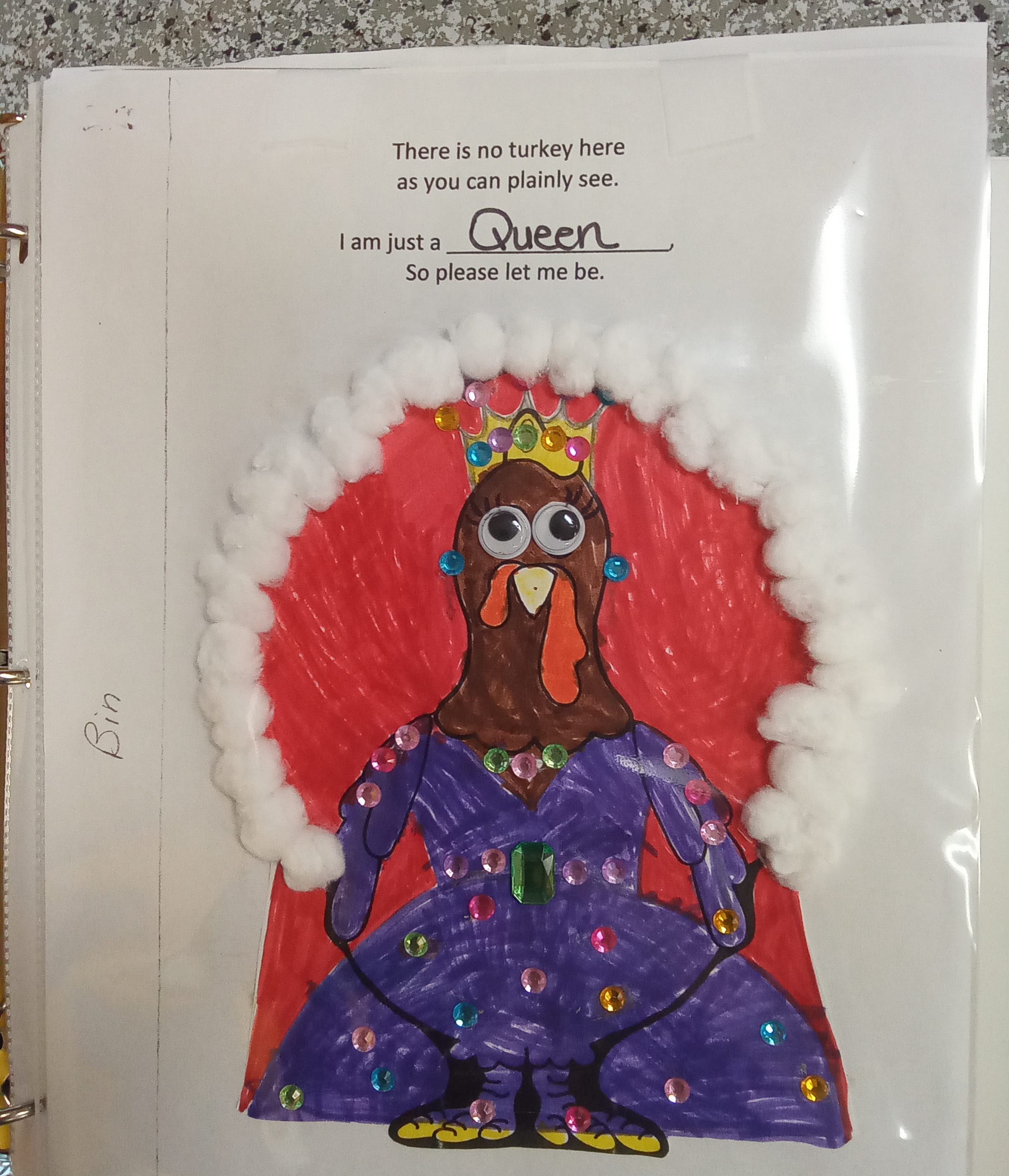
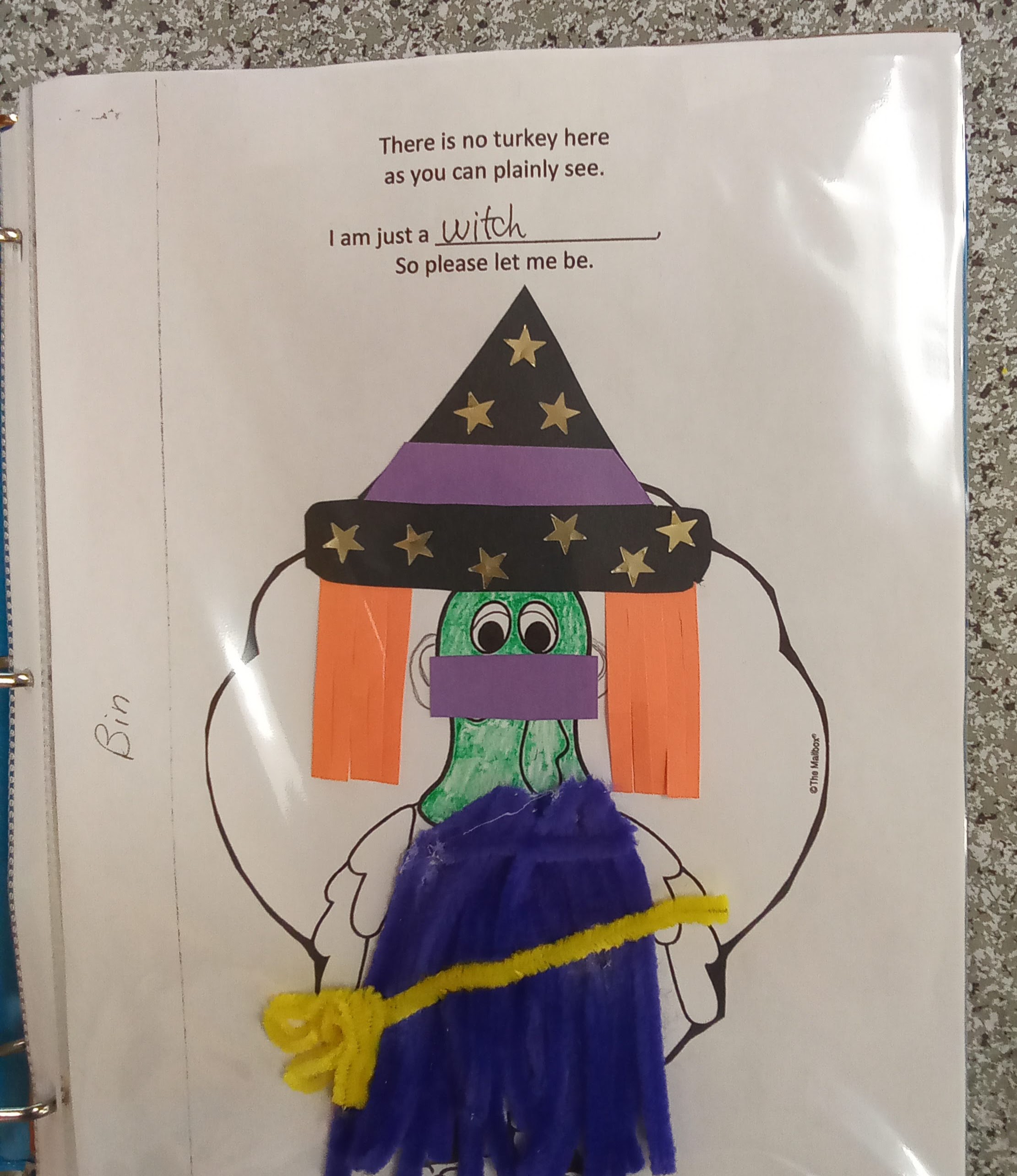
Examples of our favorite student-made books
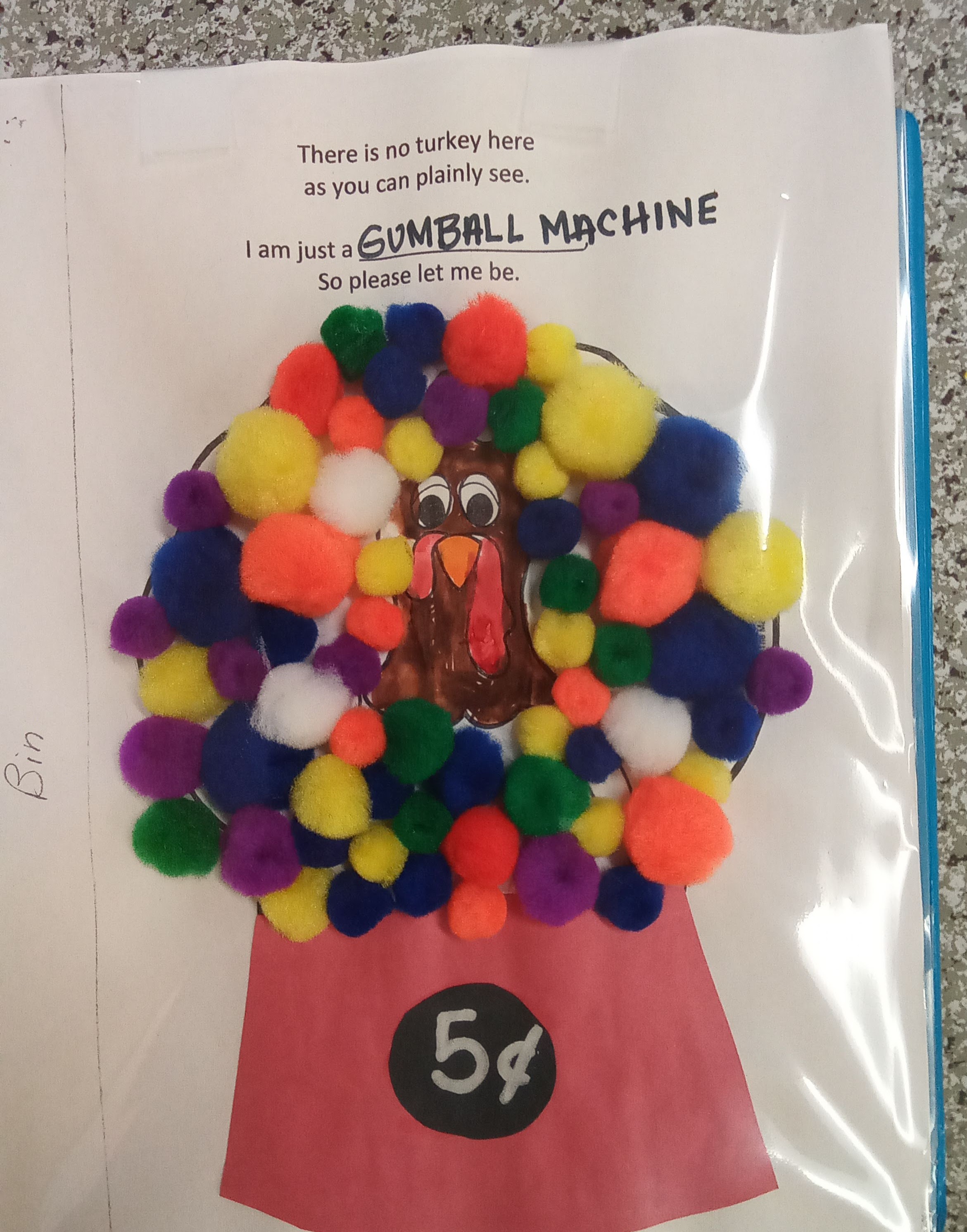

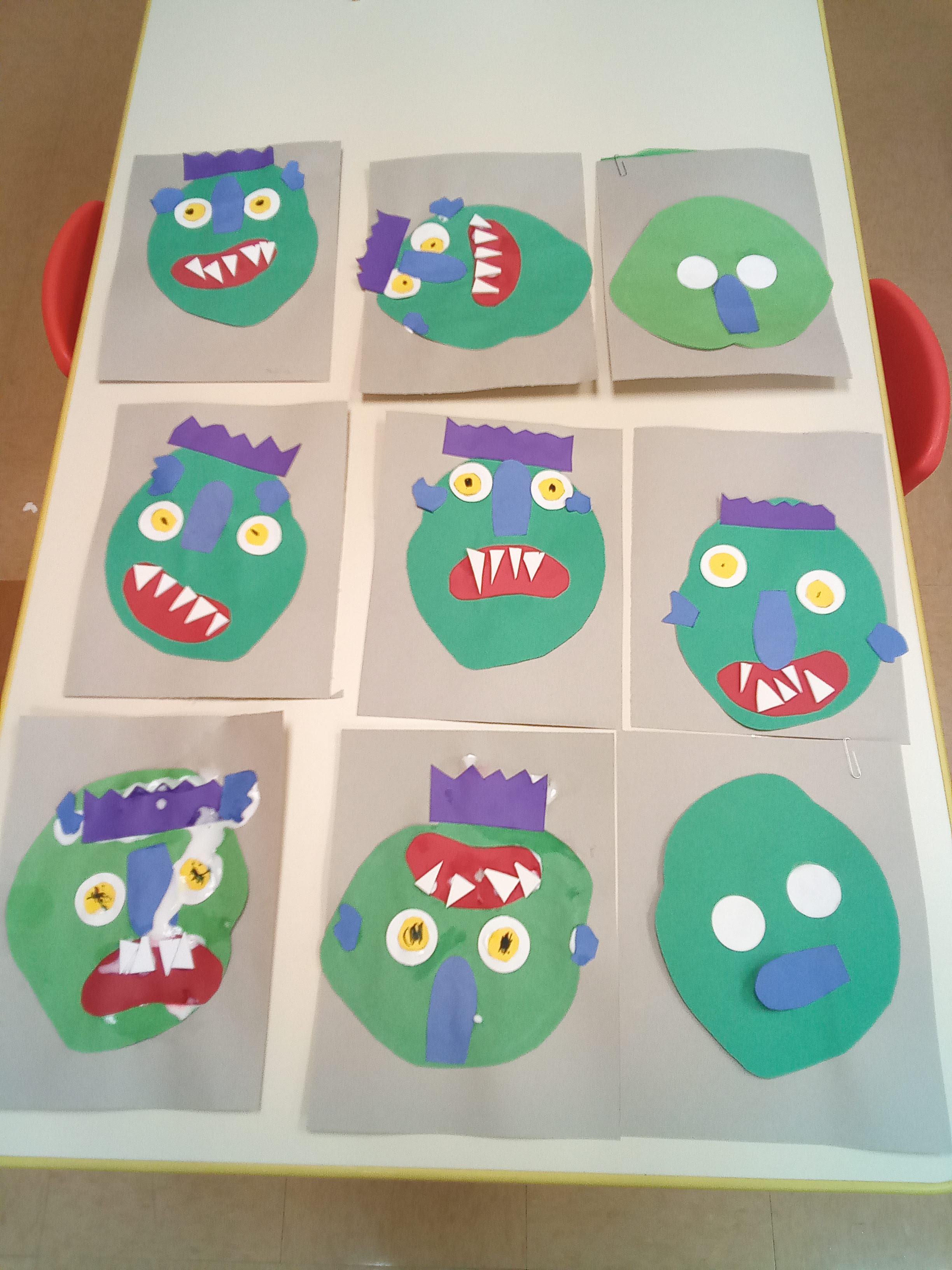
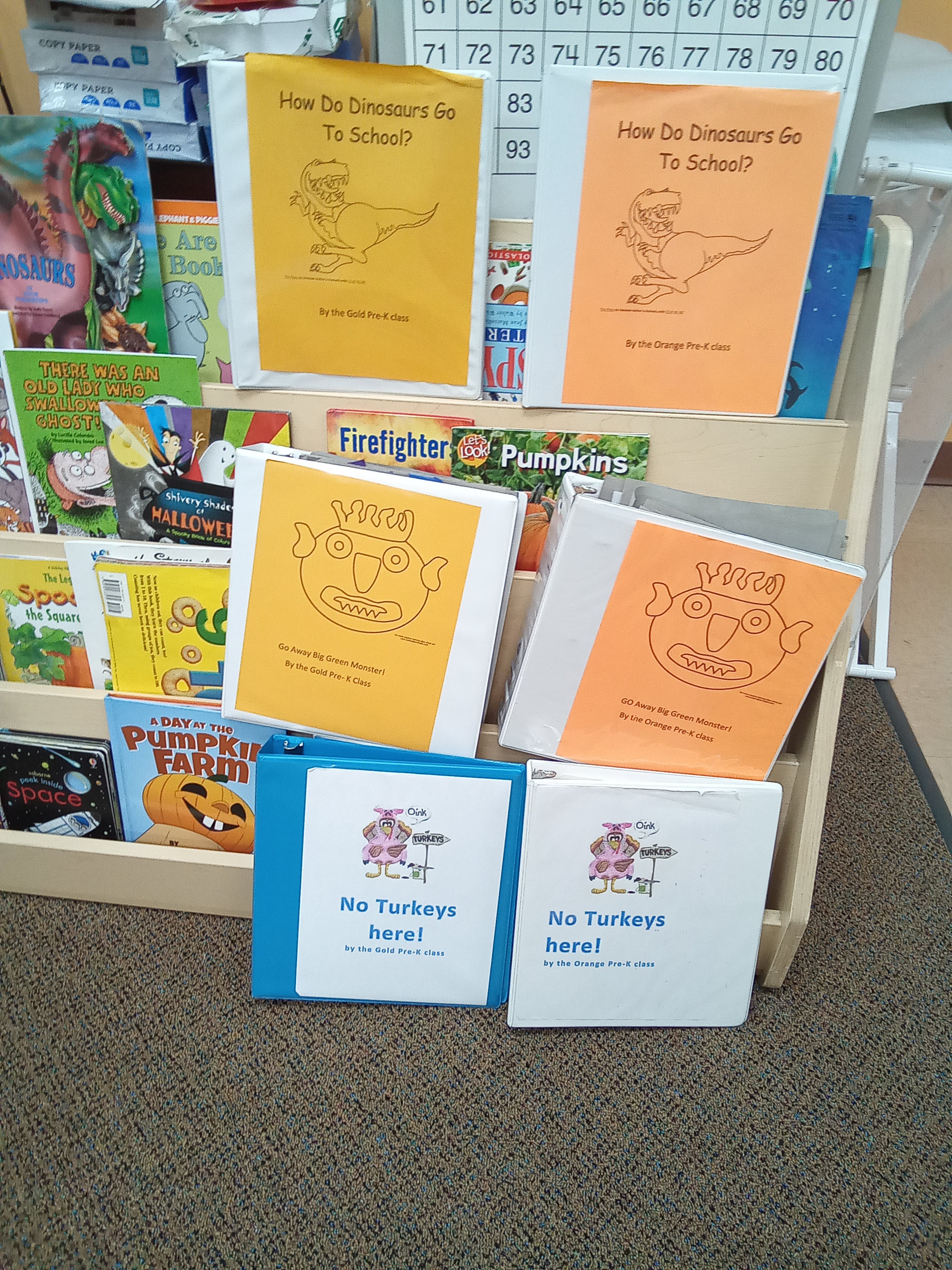
STEM - Science, Technology, Engineering, Math
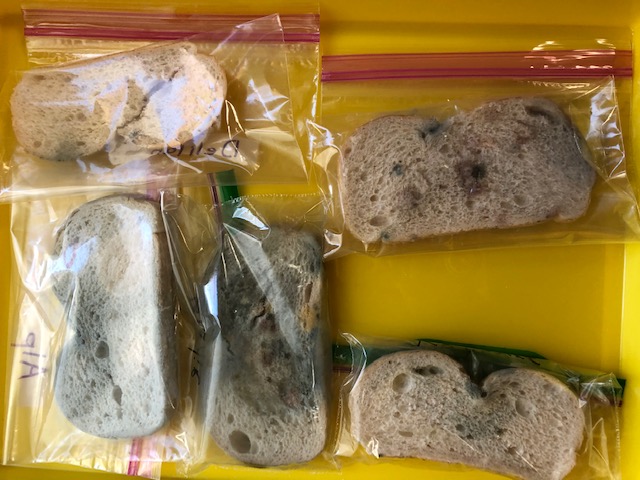
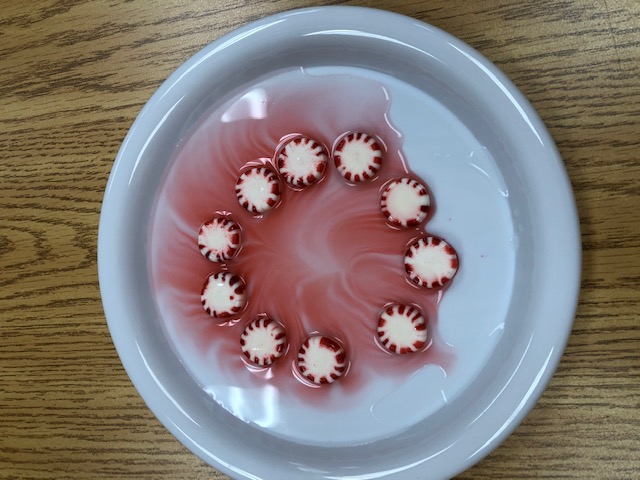
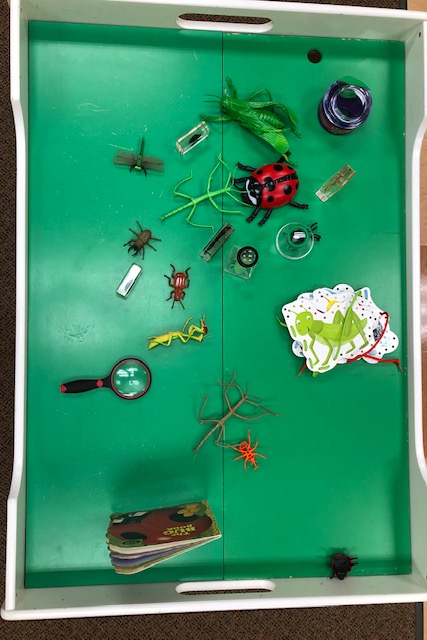
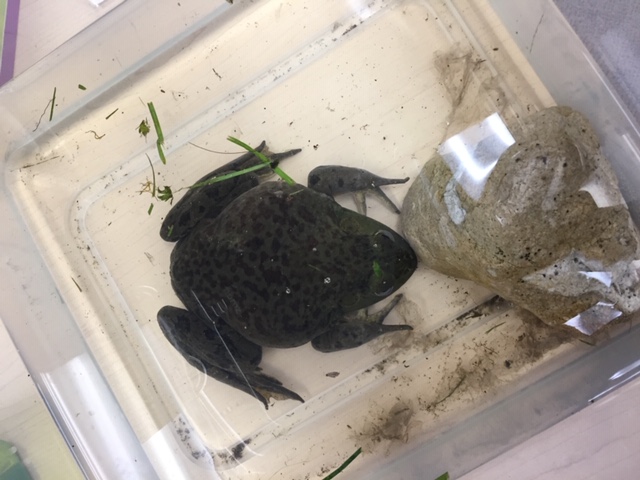
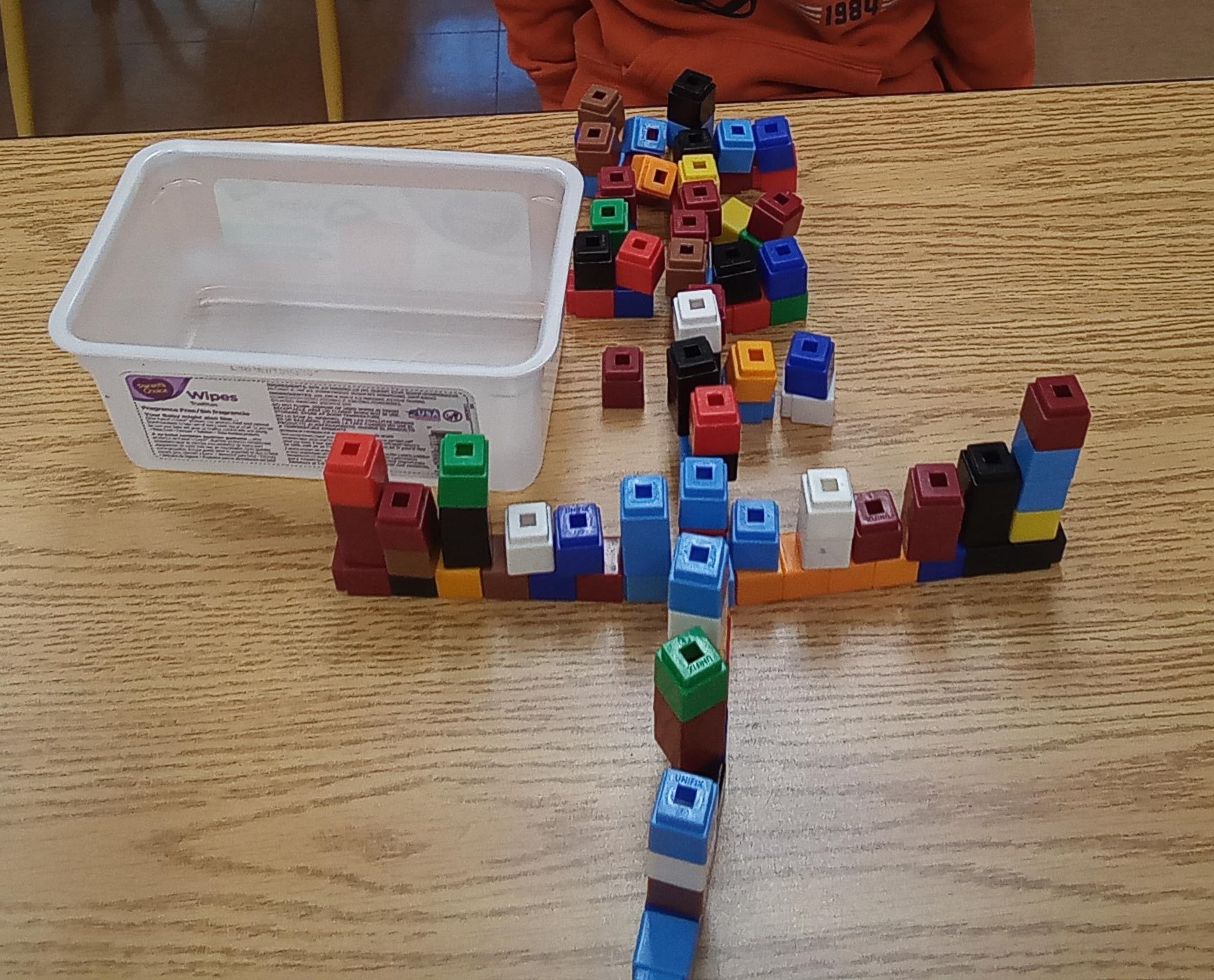
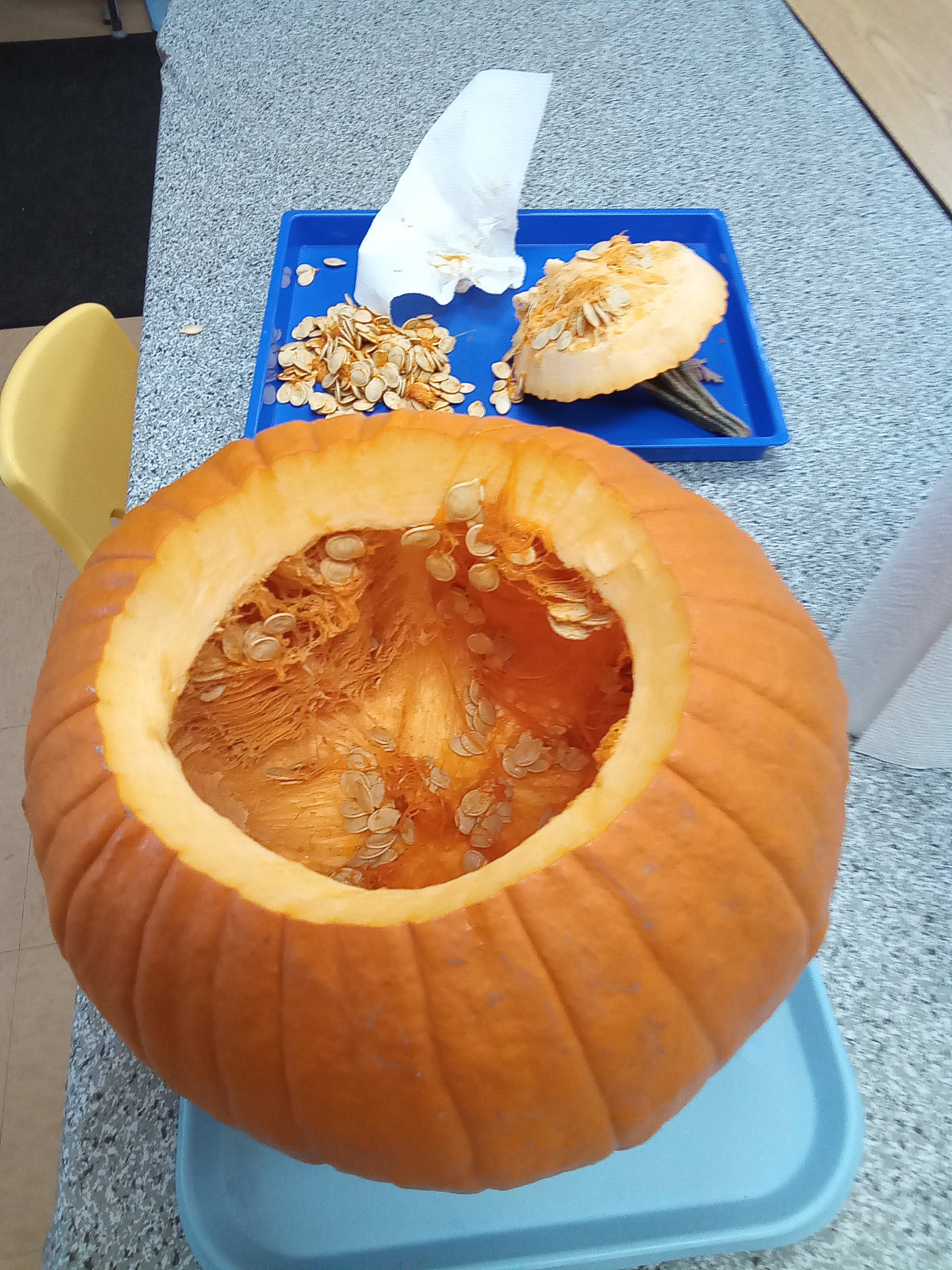
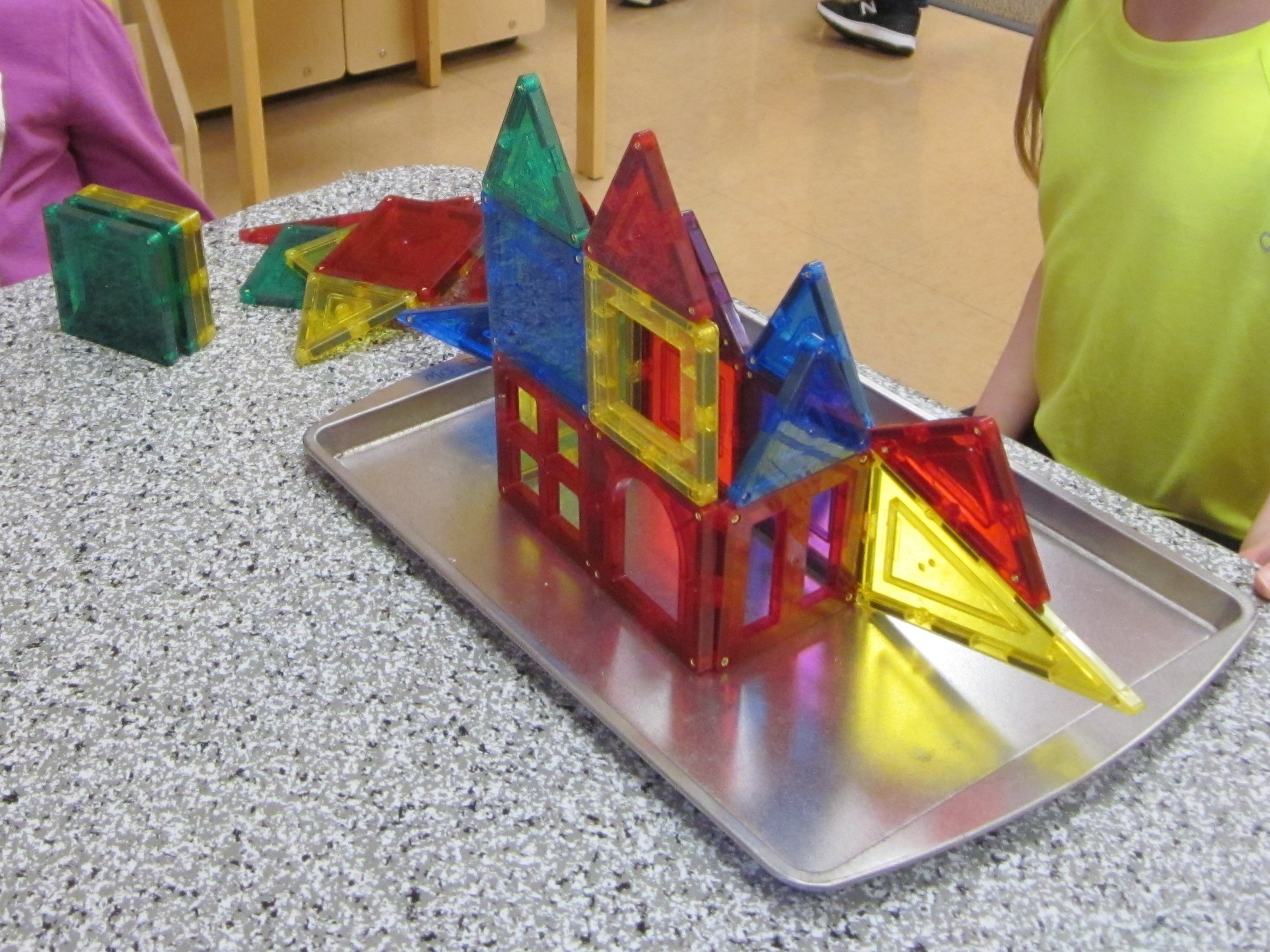
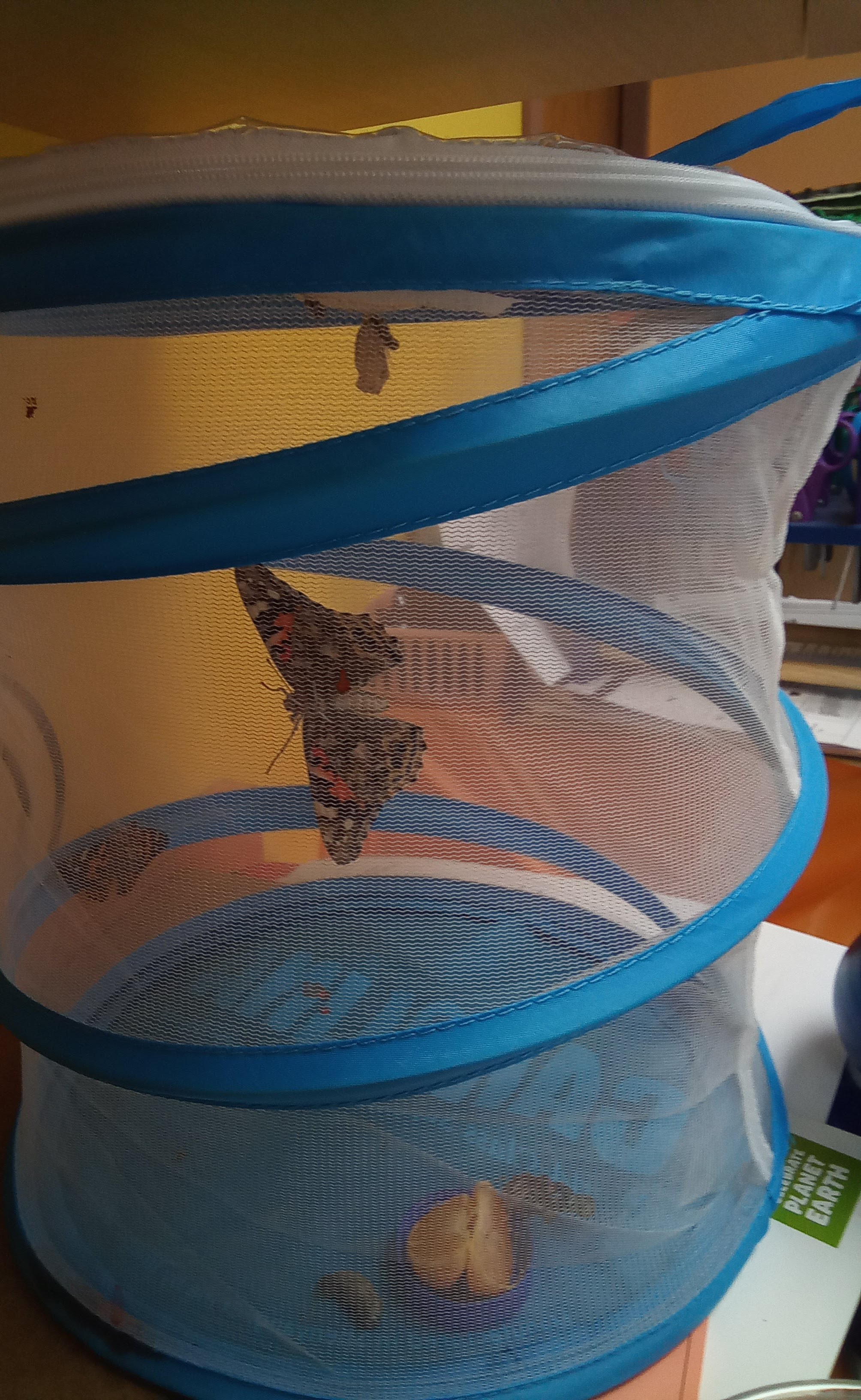
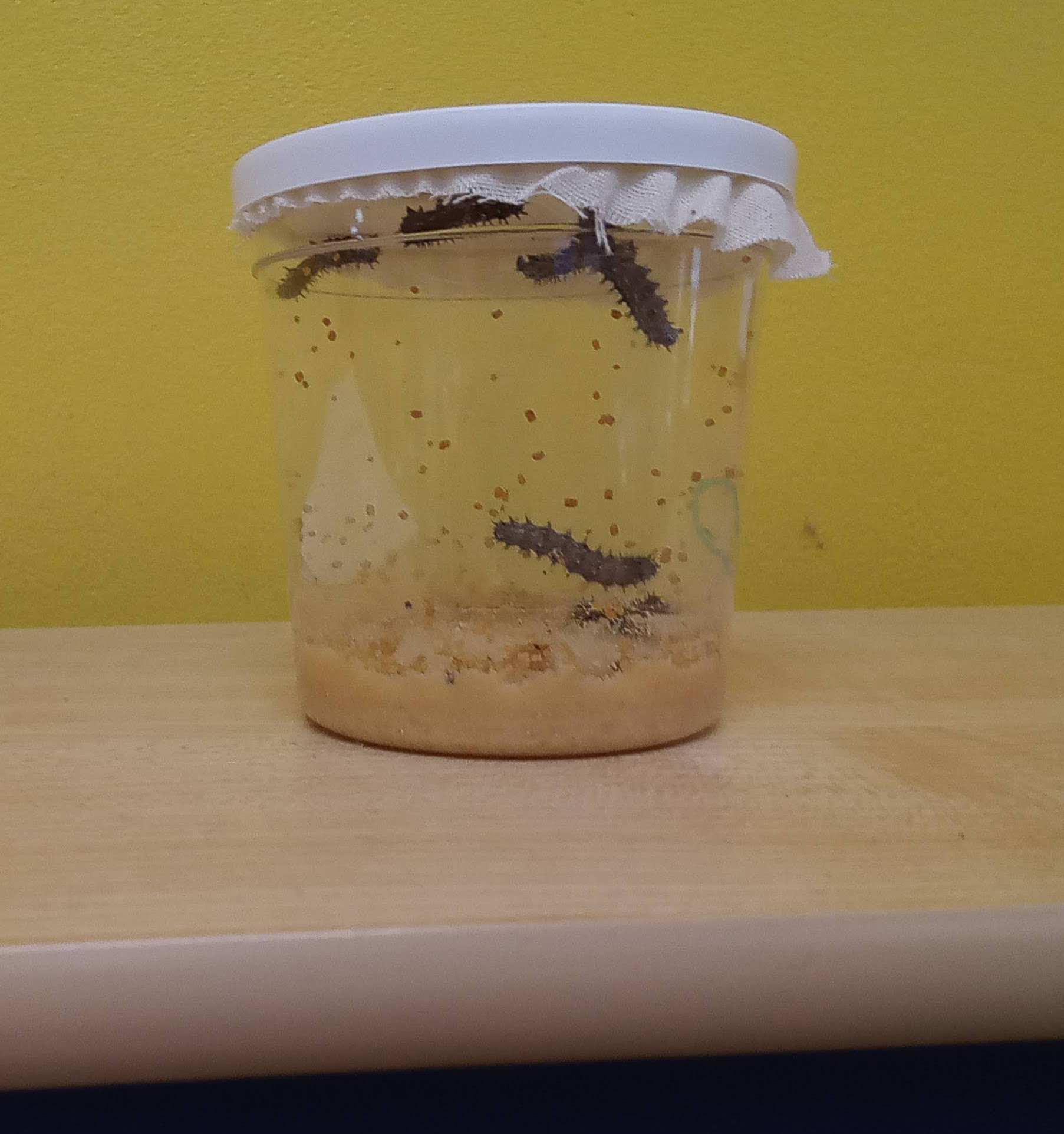
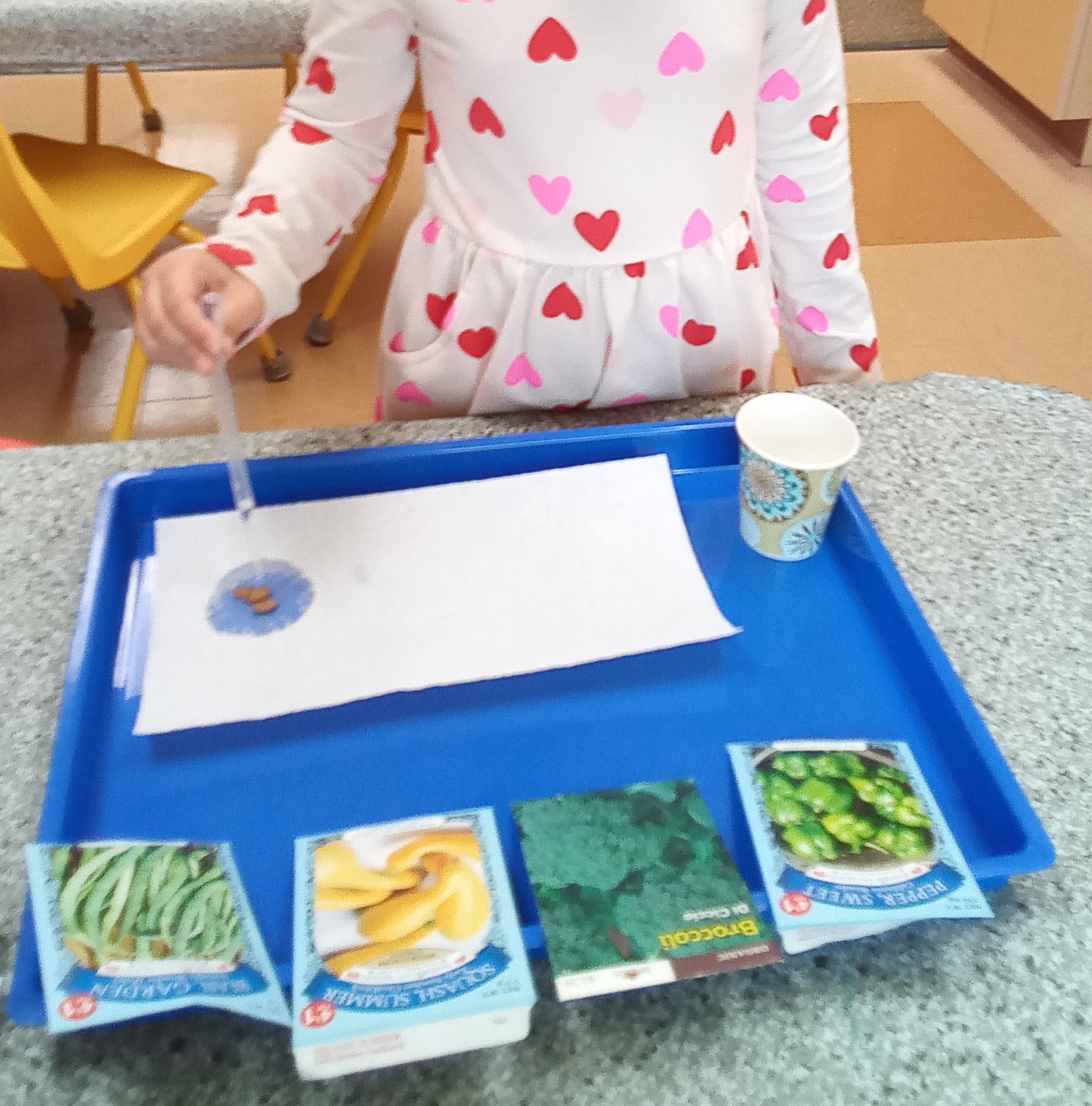
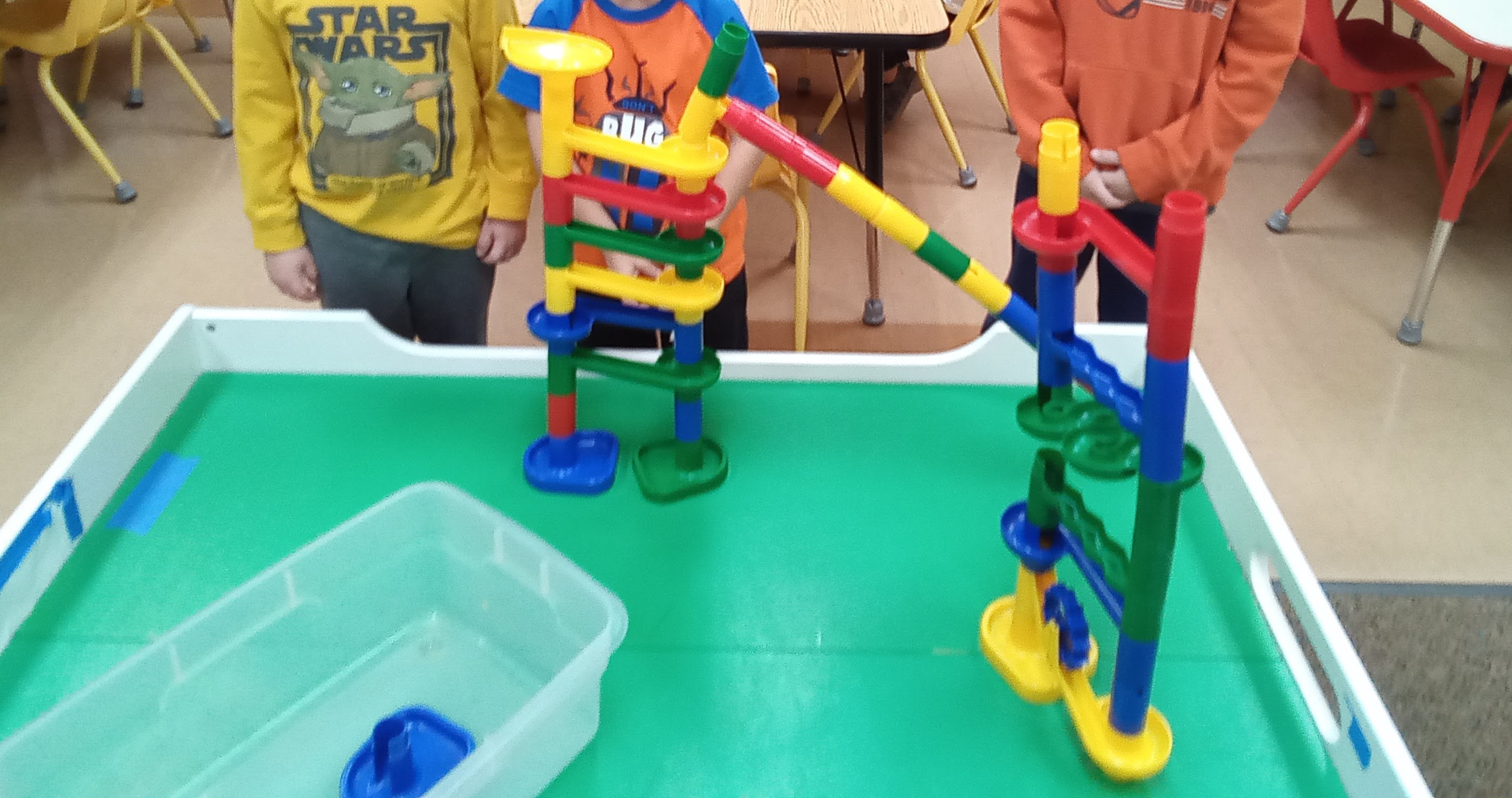
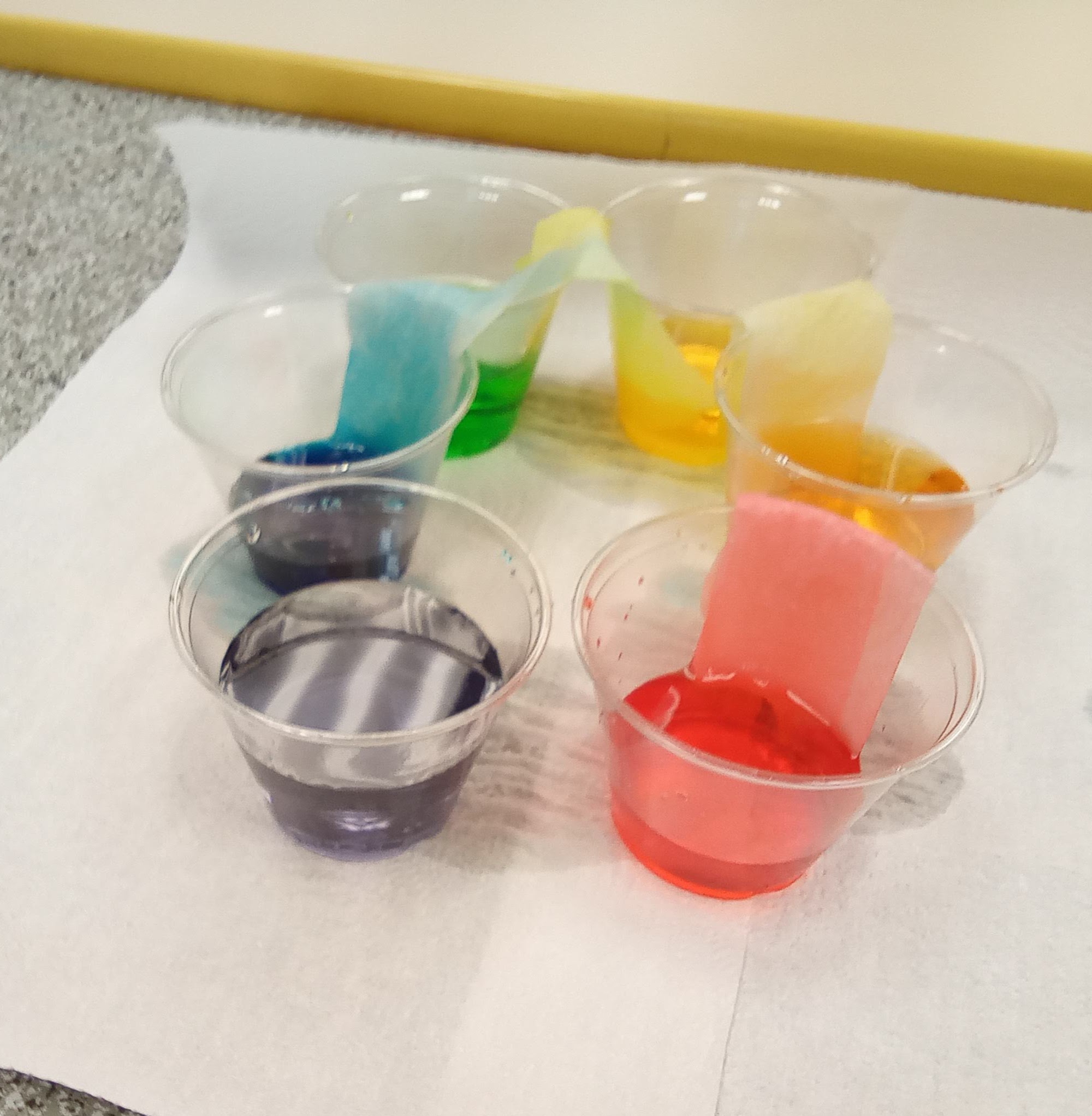
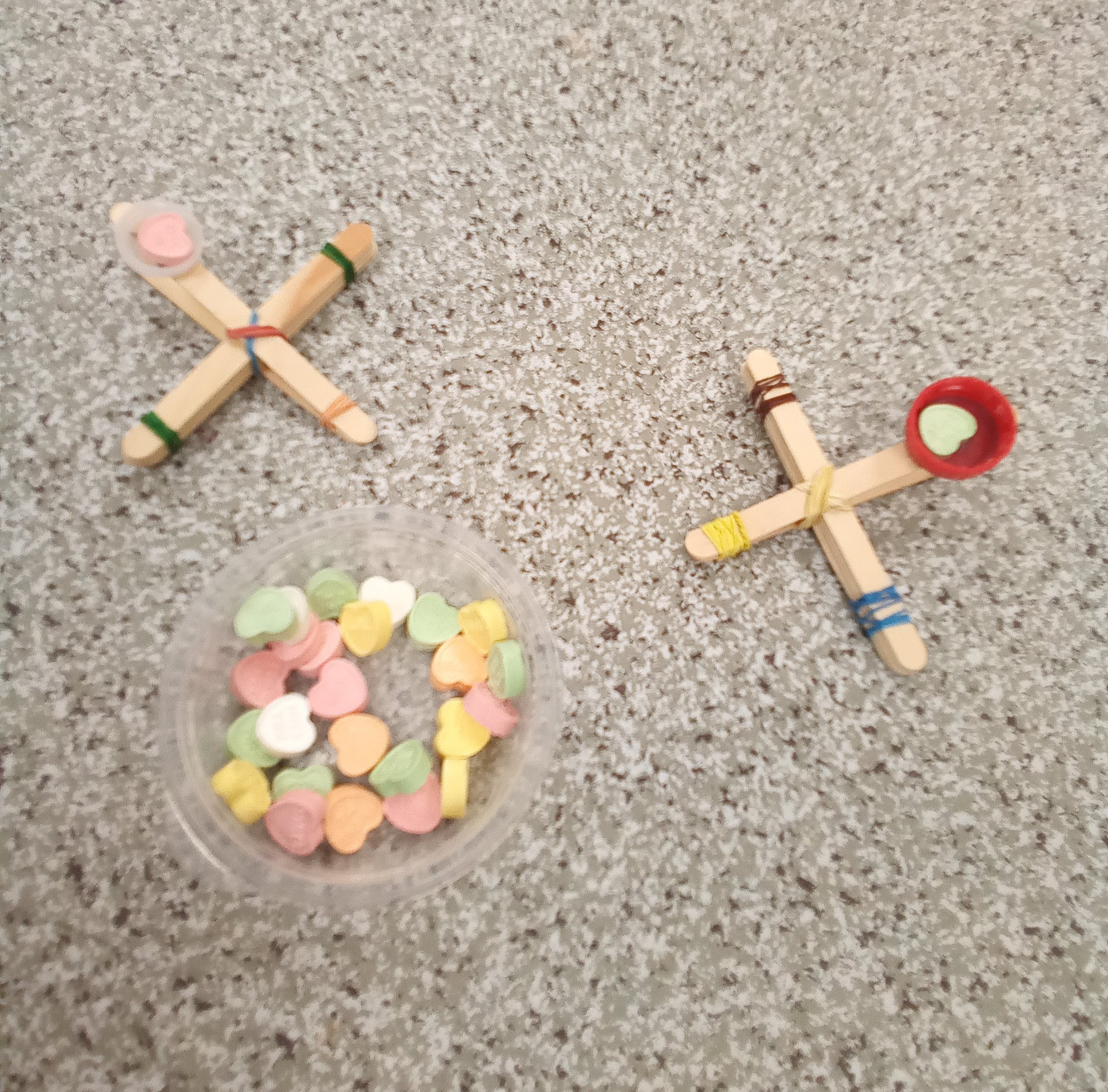
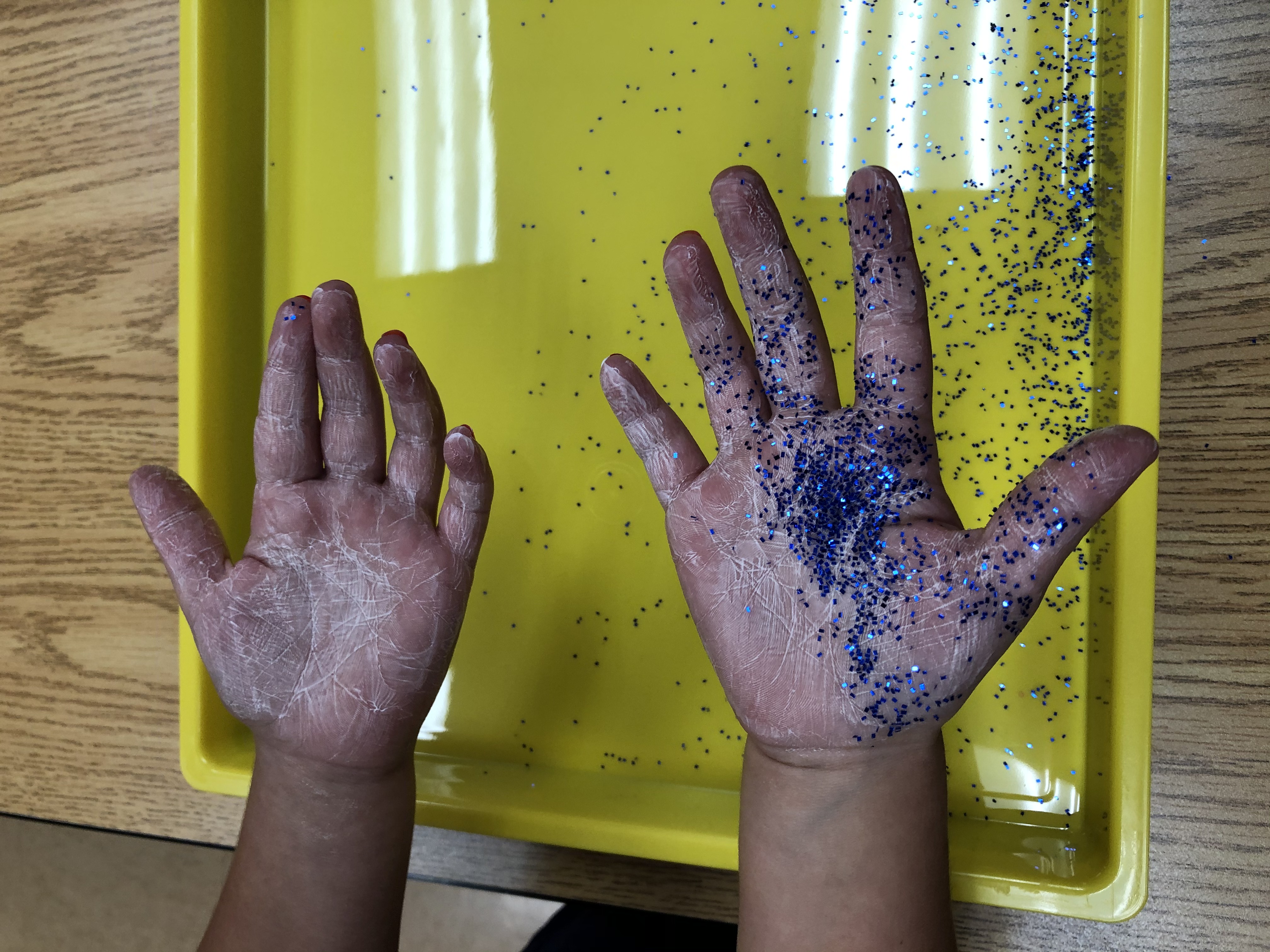
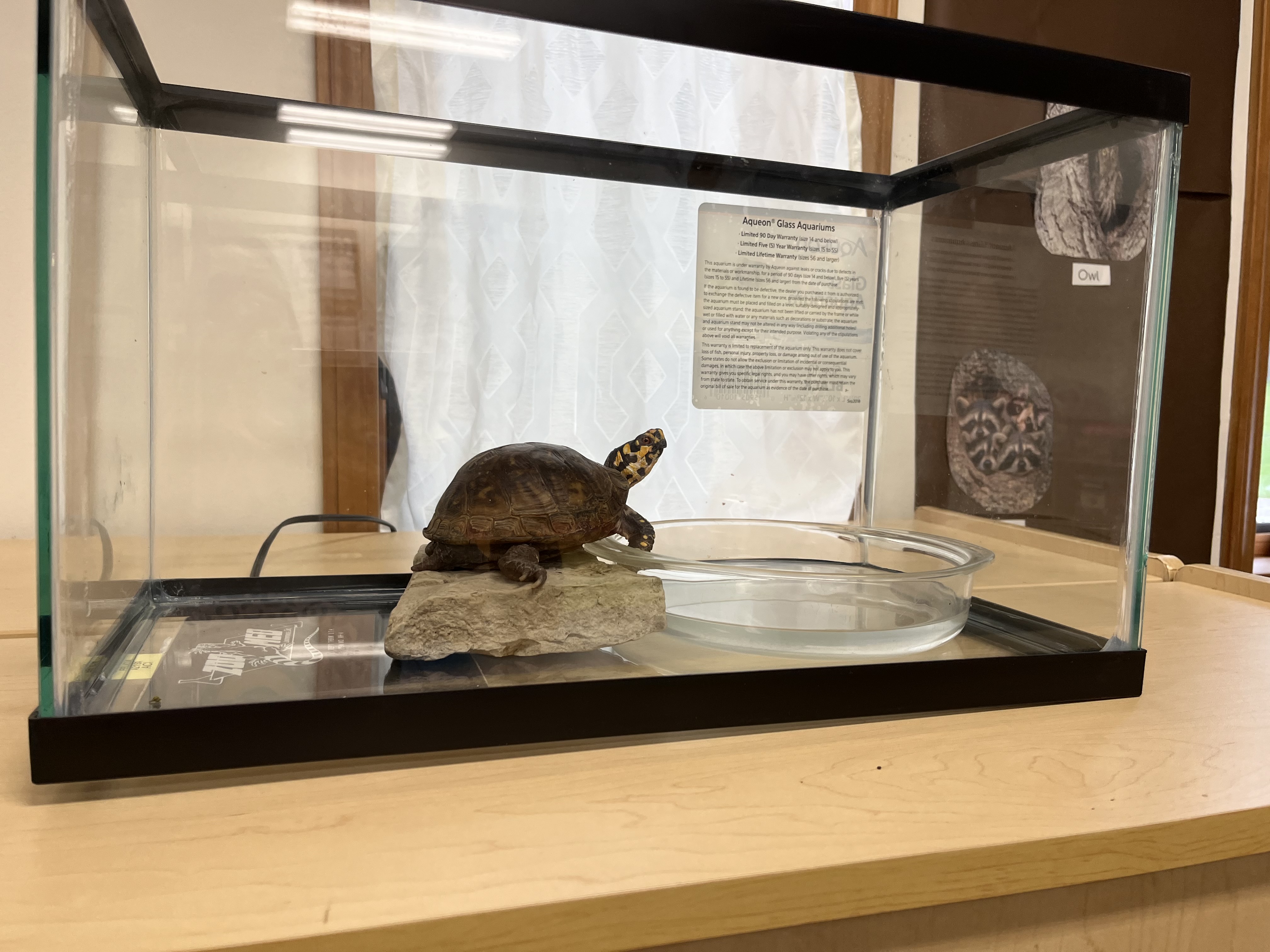
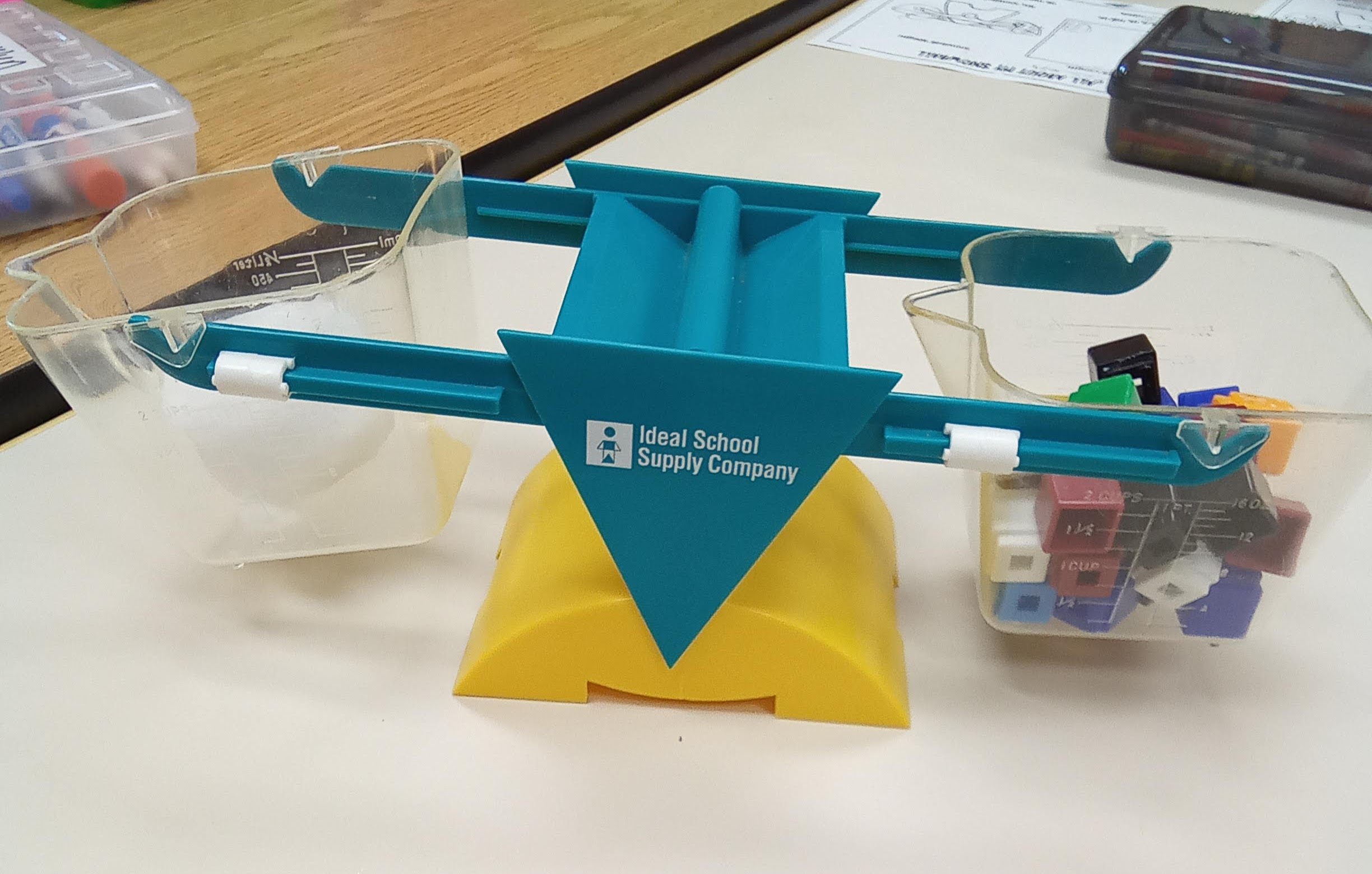
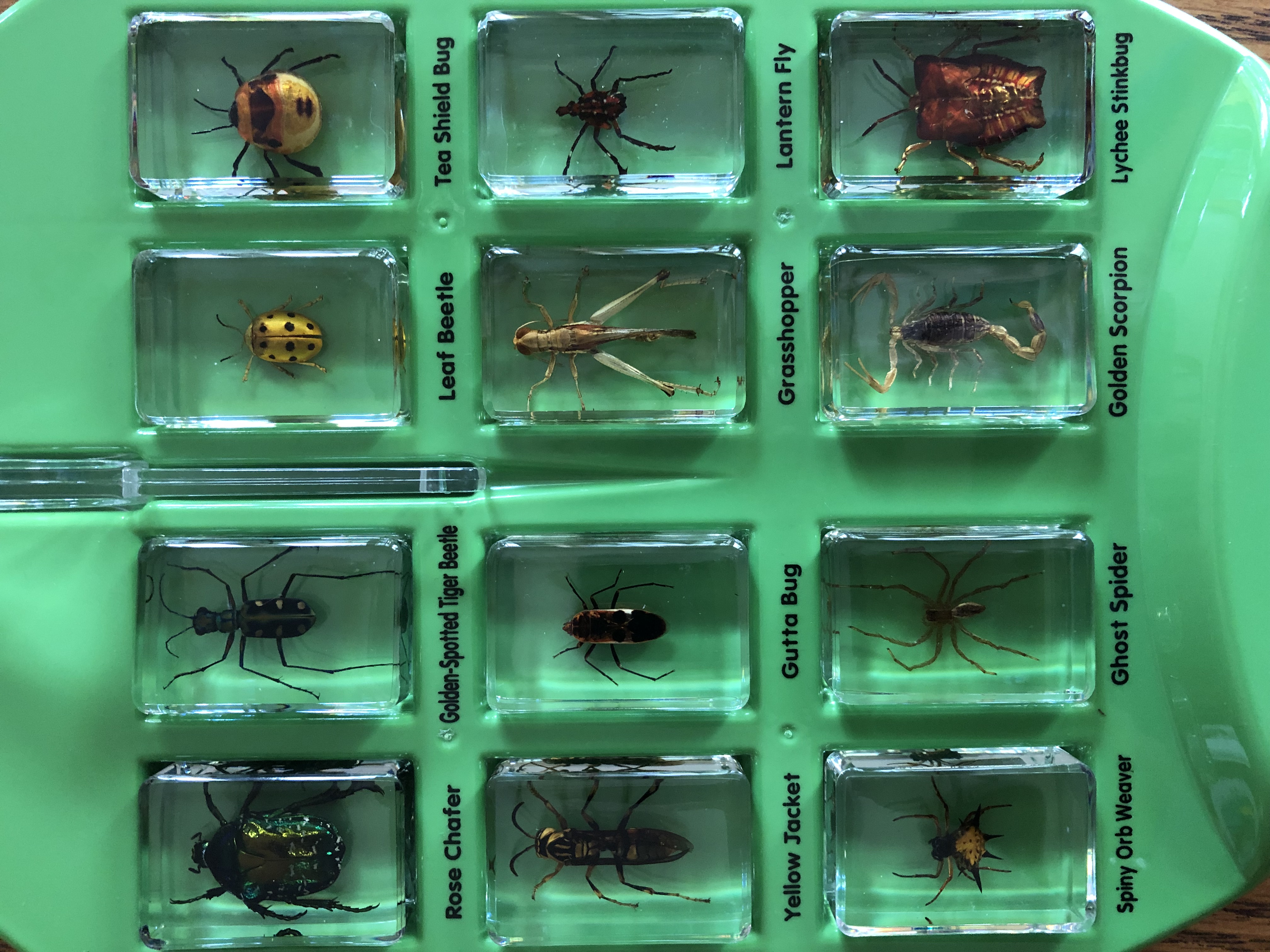
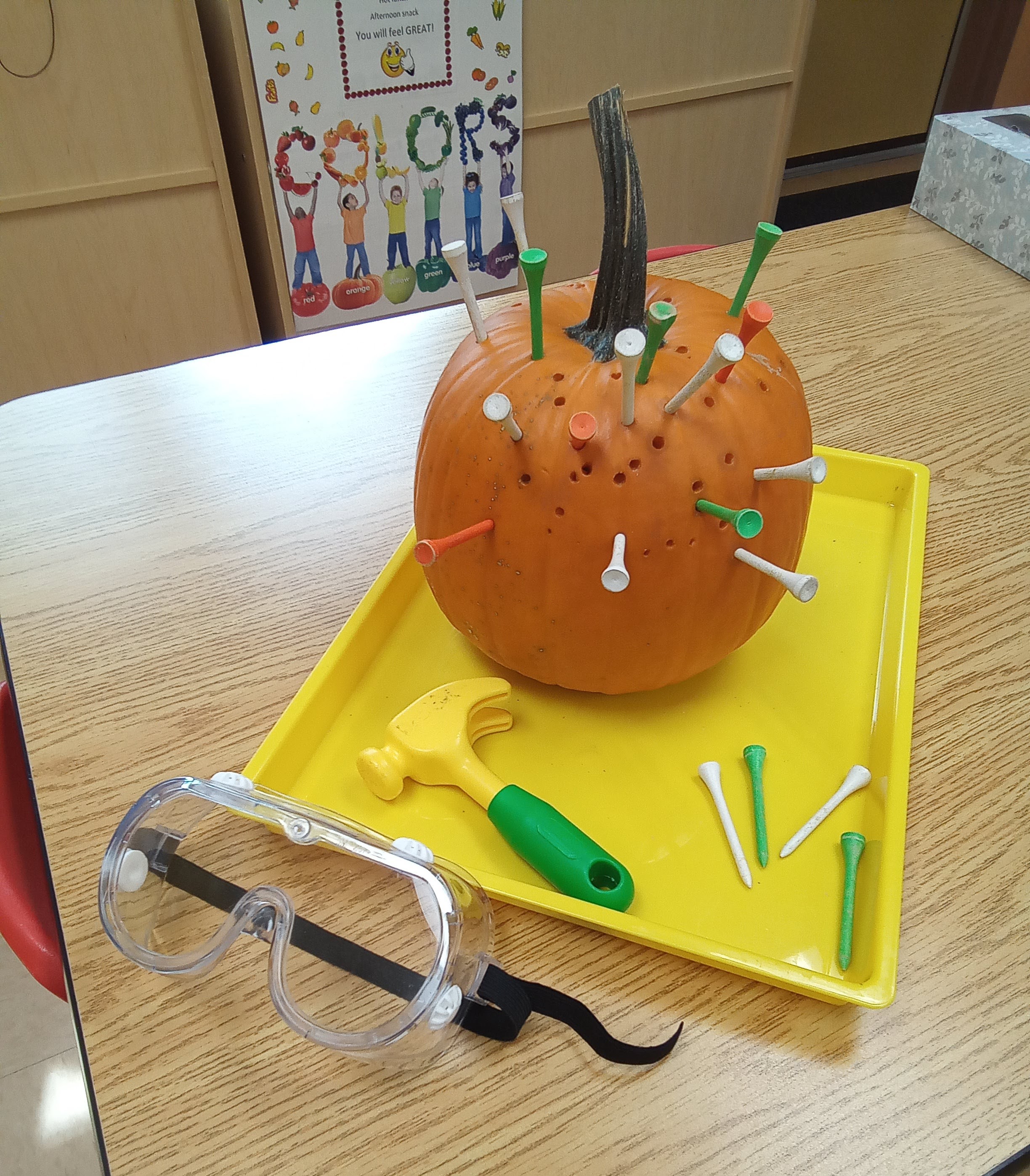
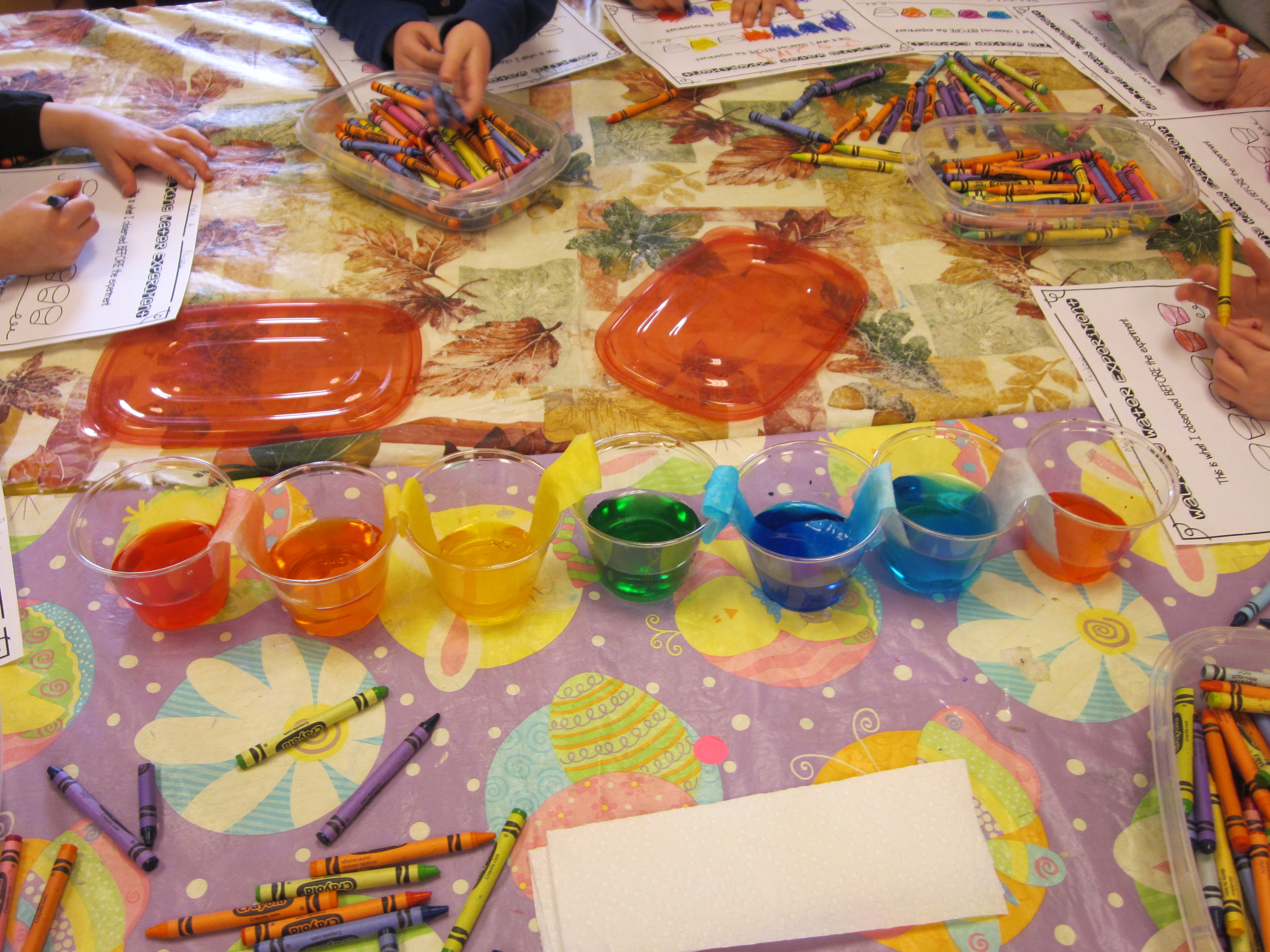
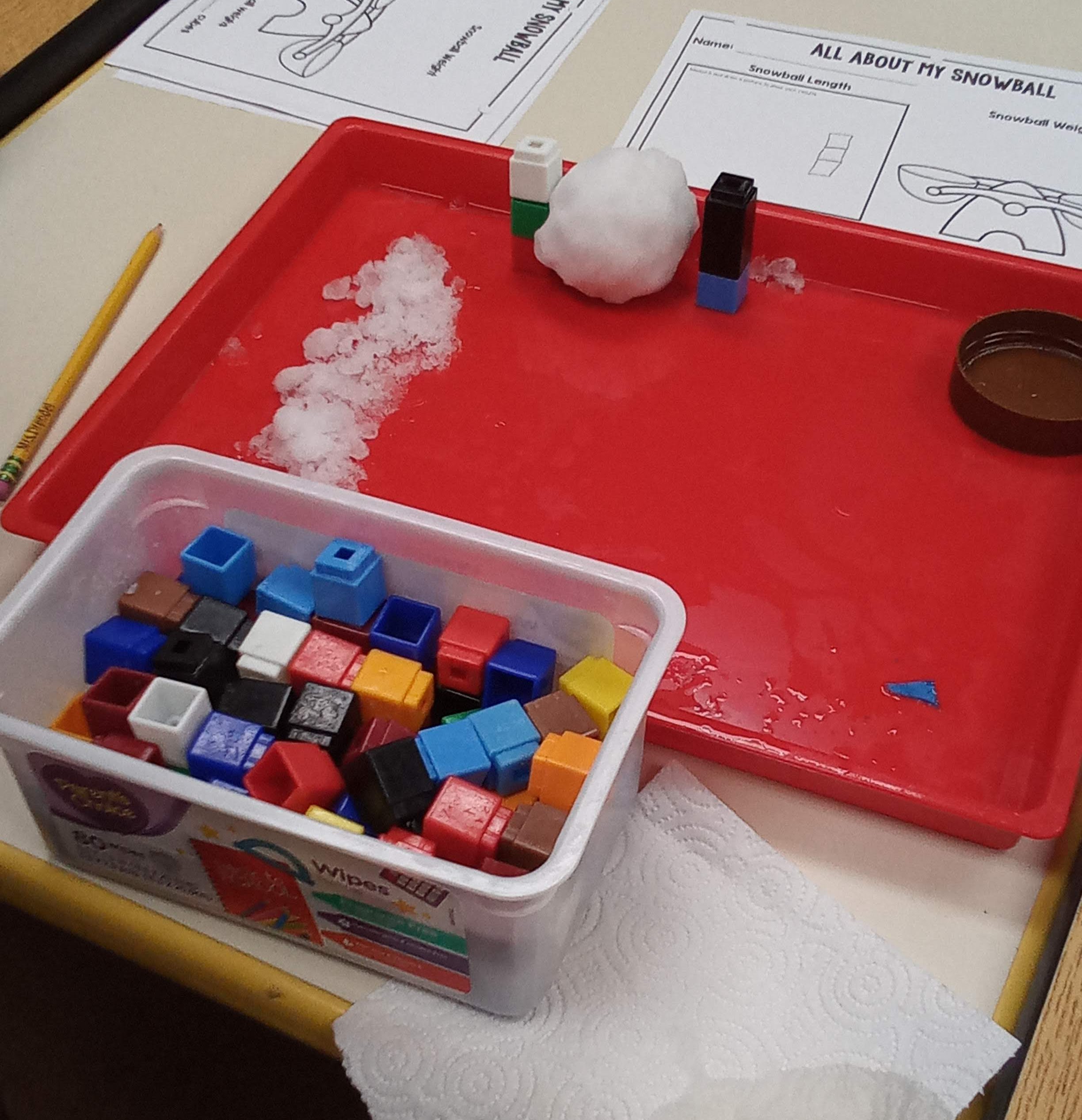
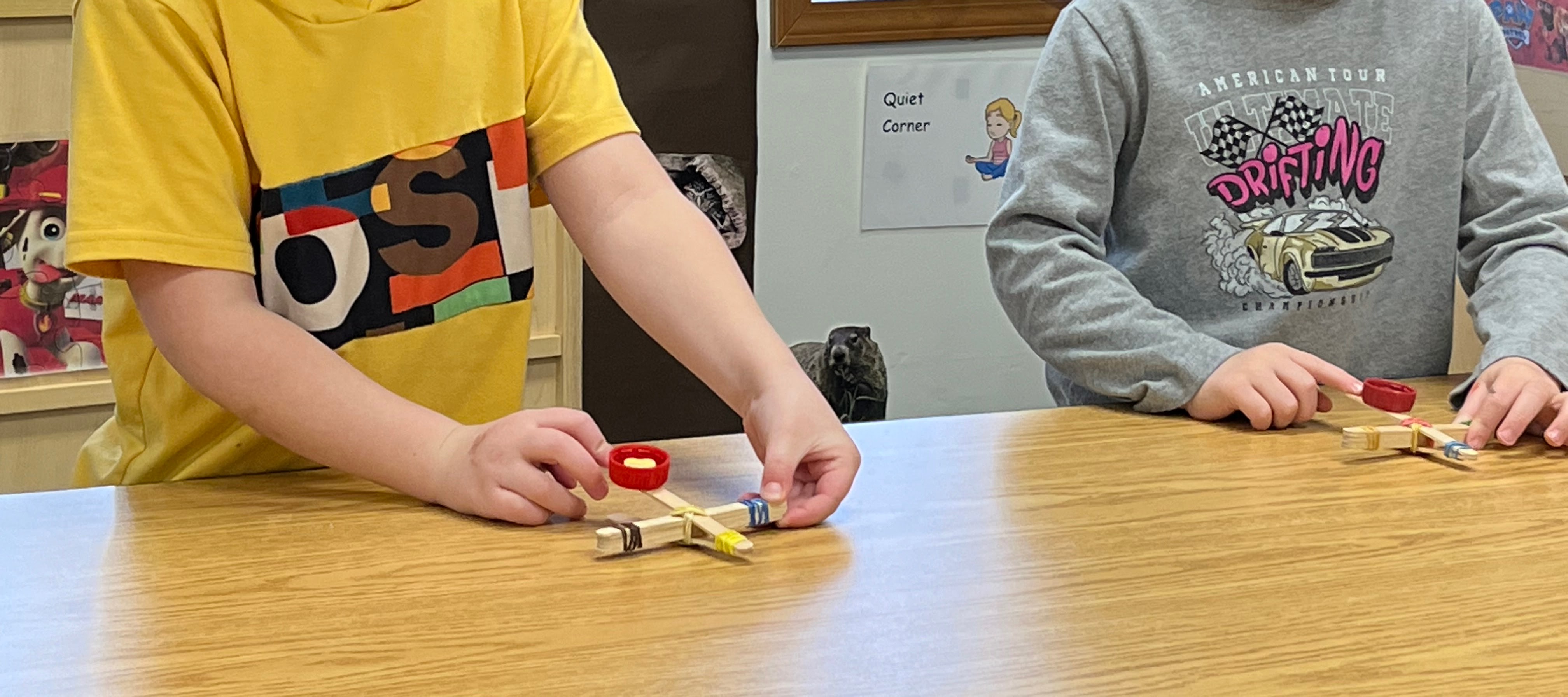
We are always exploring, asking questions, observing, and making new discoveries. Here are a few of our hands-on activities.
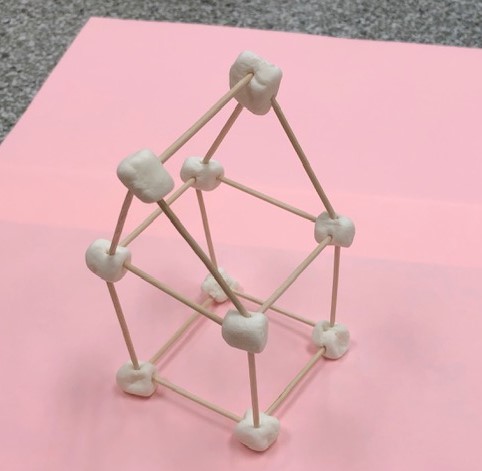
Social Studies
Understanding our school, our community, and the world.
We also explore the world through Scholastic's- Let's Find Out!
Arts, Crafts, and Exploration
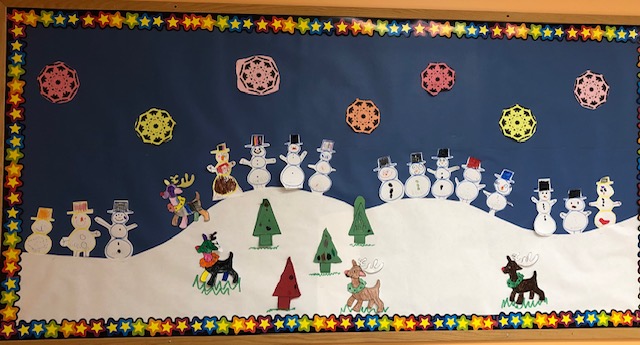
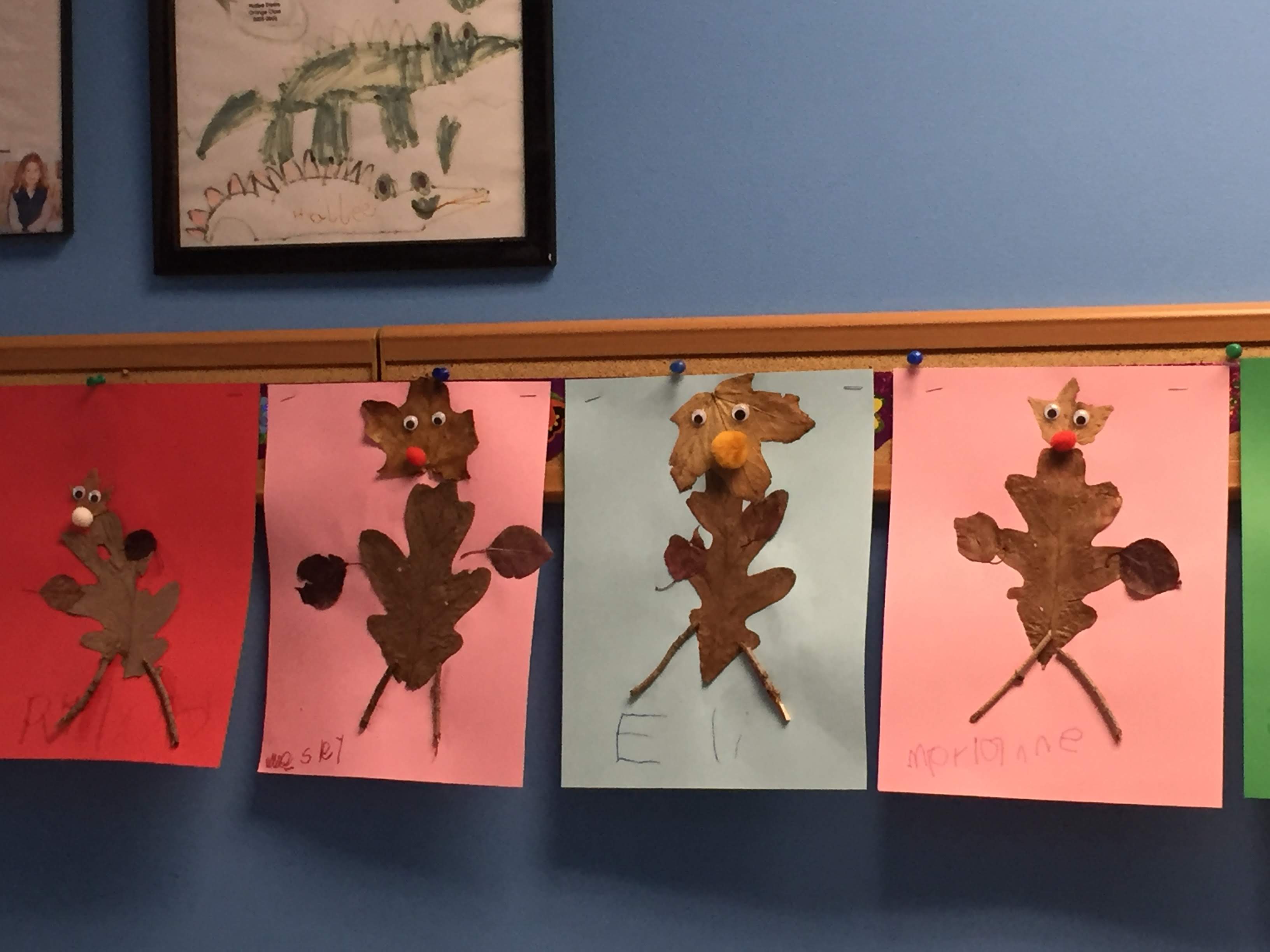
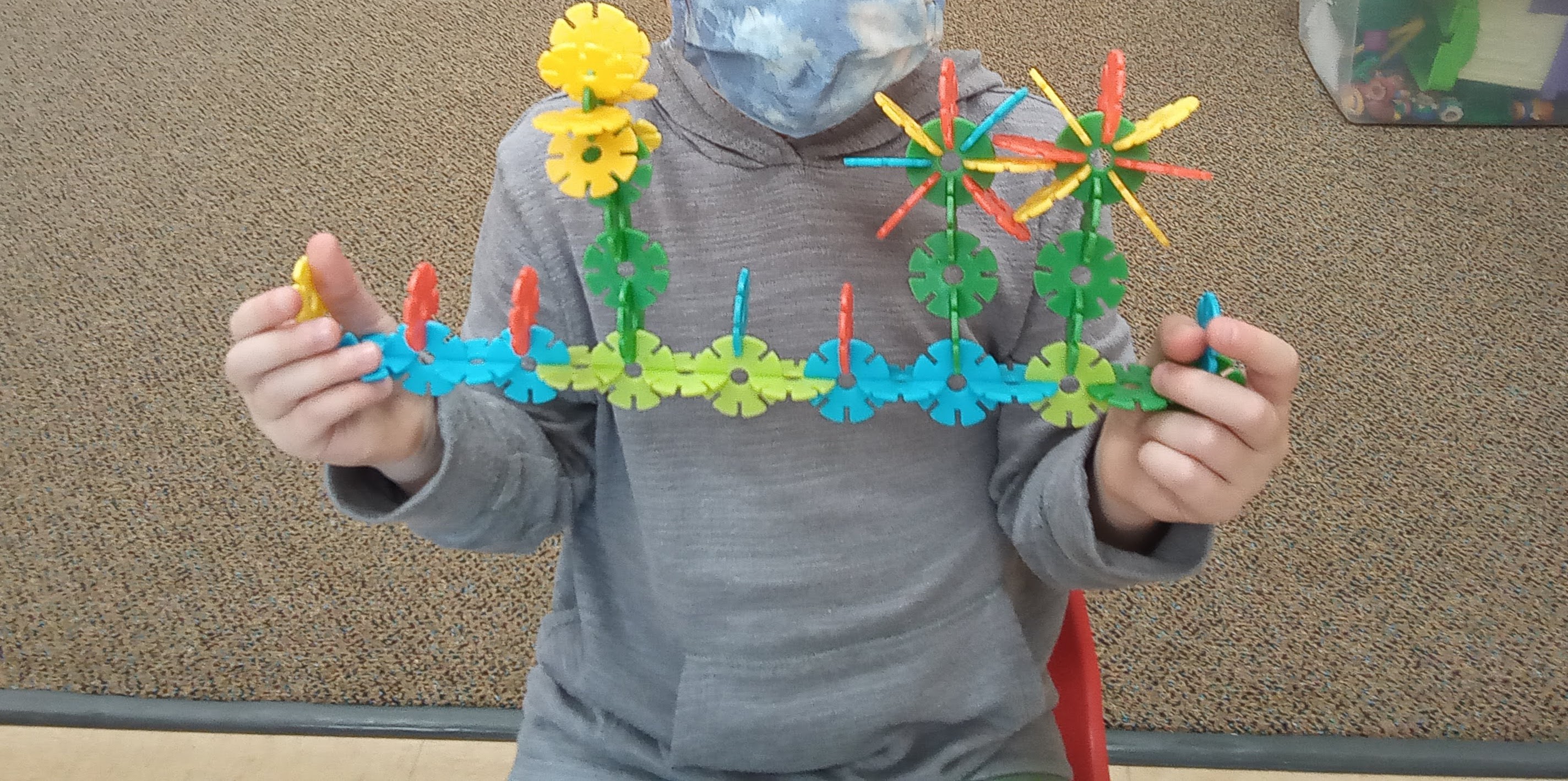
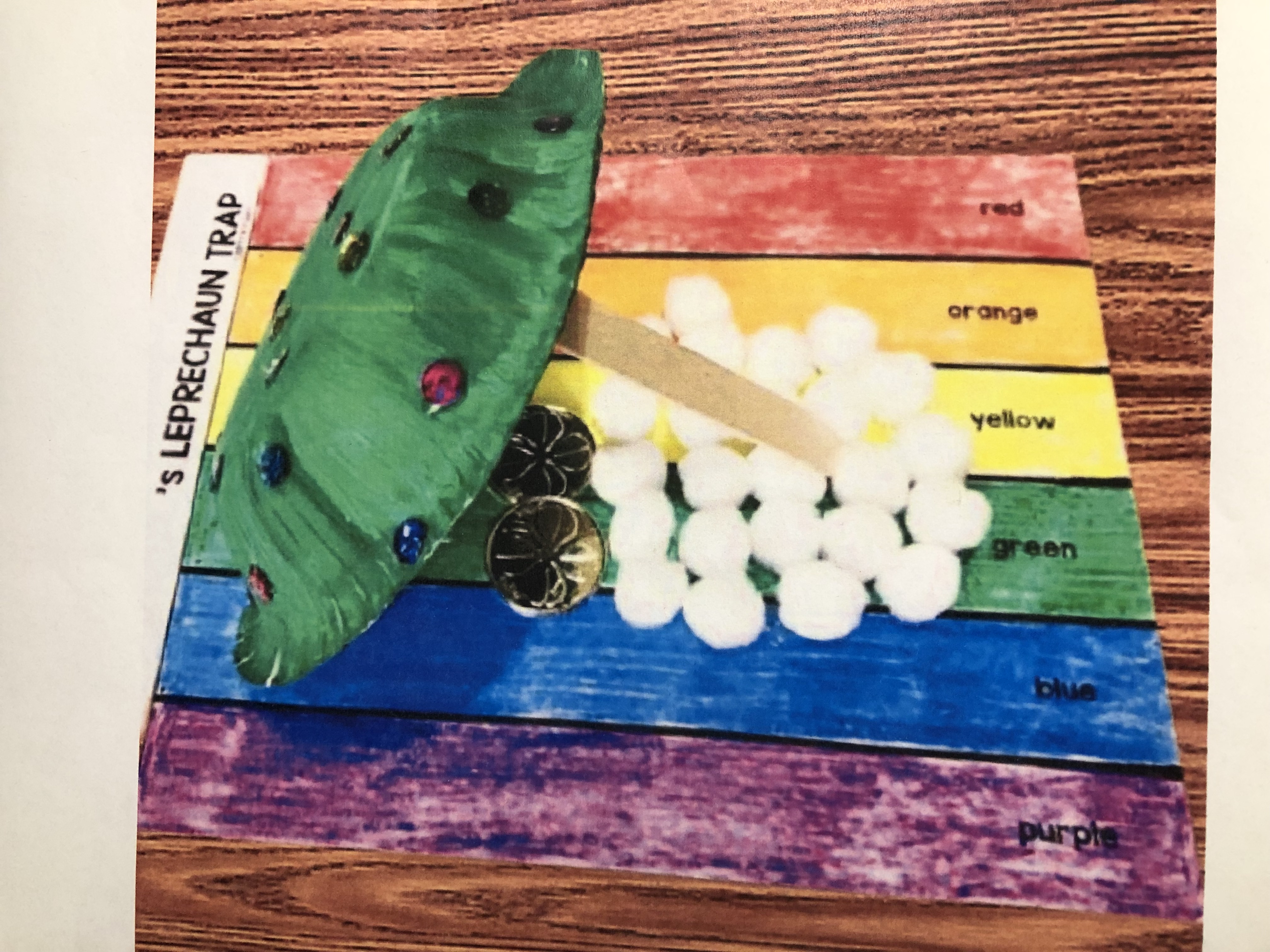
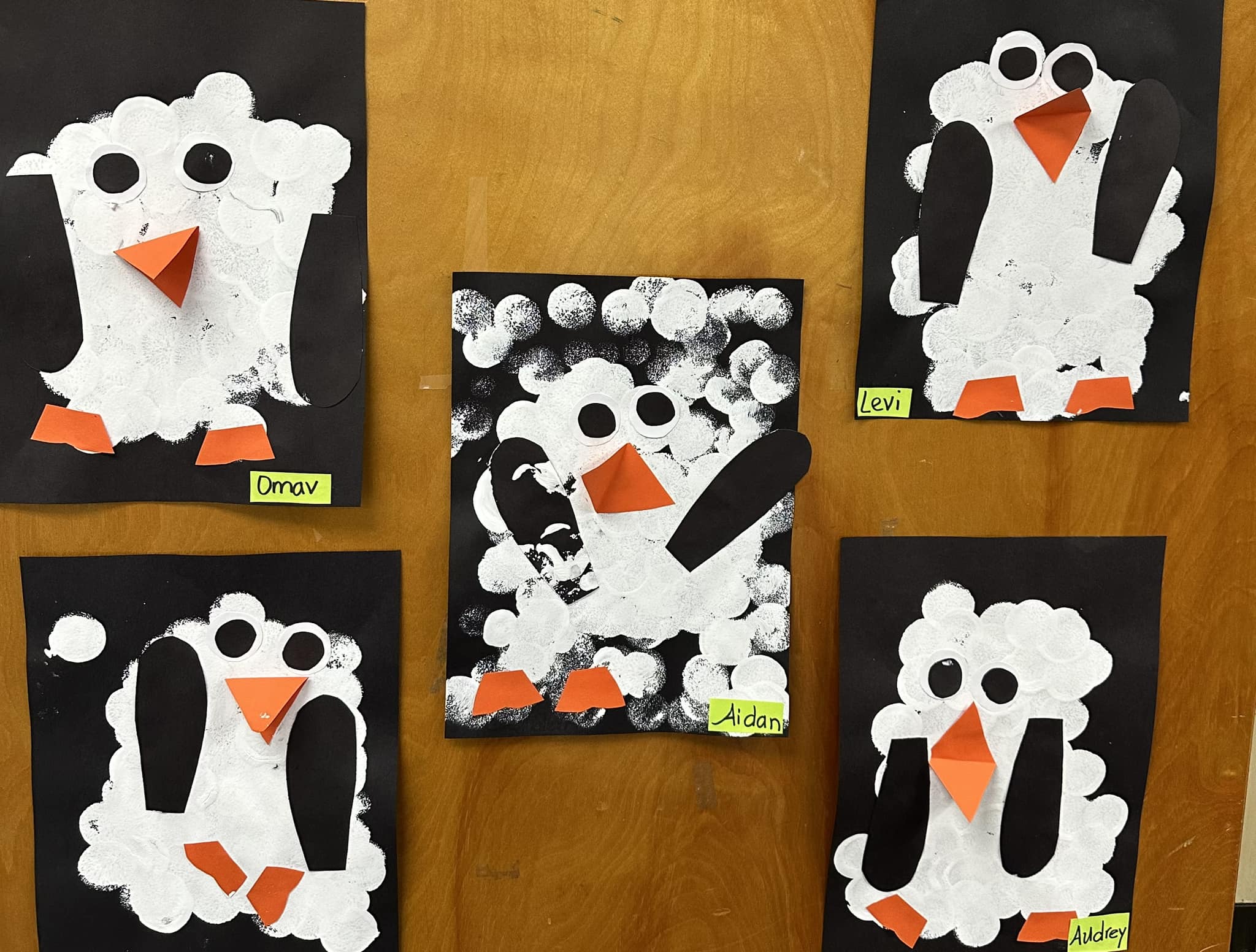
A fun way for children to practice their fine motor skills and use their imagination
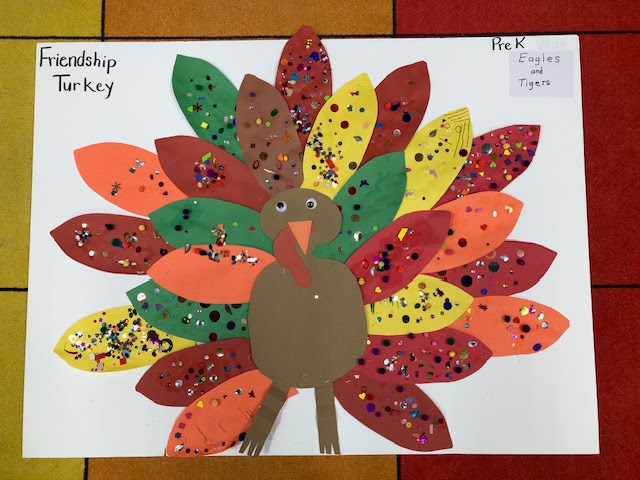
We have a mix of teacher-directed projects and student-created projects.

Learning begins at home
How you can help lay the foundation
- Make learning fun with songs and games
- Reading to your child helps to develop their vocabulary and word recognition skills
- Listen to or sing along with a variety of alphabet songs
- Makeup rhyming words (beginning sound, ending sound)
- Play I Spy with letters and numbers
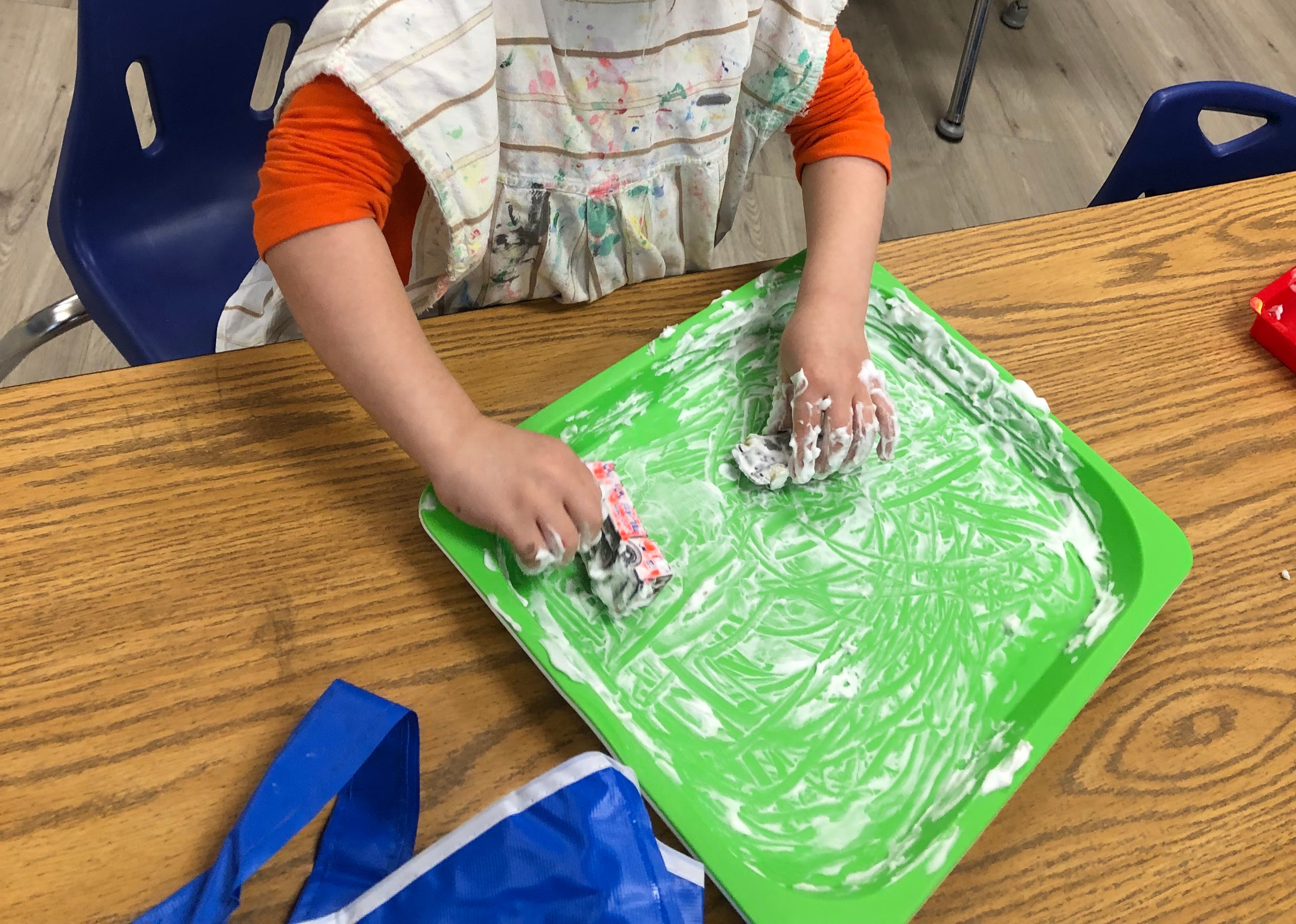
- Form letters and numbers using a variety of mediums- sand, shaving cream, rice, or use water and a paintbrush outside
- Point to each object while counting (one-to-one correspondence)
- Use small toys for counting
- Look for patterns
- Put letters together with their sounds and create words
Cracking the code to Reading
2 Early steps to becoming a good reader
FIRST - Children need ORAL LANGUAGE PRACTICE - the ability to understand the meaning of spoken words and understandthat words are made with sounds.
SECOND - WRITTEN LANGUAGE - Printing is a code for the 44 phonemes (letter sounds) that go along with the 26 letters in the alphabet.
How you can help your child recognize letters and sounds:
1. Reading to children draws awareness to the phonemes when the reader sounds out simple words.
2. The reader points to the words as they read to the child- Children learn that books are read from left to right.
3. Play I Spy - with the sounds and letters
4. Build a word - identify the beginning, middle, and ending sounds in simple words
Knowing the alphabet and counting are an important part of kindergarten but they are not the only thing your child needs to succeed.
- Following directions on the first request
- Self-control/self-regulation
- Social skills
- Recognizing their first name in print
- Basic language and vocabulary
- Patterns
- Beginning to rhyme
- Keeping hands to self
- Listen and understand
- Waiting for a turn
- Sharing with others
- Empathy and acknowledging that others have feelings
- Independent bathroom use/ hand washing / dressing/ changing shoes & boots
- Ability to line up quickly and quietly
- Proper sitting at circle time
Helpful websites to visit - some are free
http://www.teachyourmonster.org?temp-new-window-replacement=true
*Starfall ABC's
http://more2.starfall.com/n/level-k/index/load.htm?&y=1&rdr=1&
Starfall Learn to Read
http://www.starfall.com/n/make-a-word/an/load.htm?fhttp://www.starfall.com/n/make-a-word/an/load.htm?f&temp-new-window-replacement=true
Sheppard software: Free with ads
https://www.sheppardsoftware.com/preschool/preschool.htm
Classroom Websites & Videos
Here are some fun sites for home use that reinforce what we do in class.
Learning with songs
Alphabet & Language arts
Jack Hartmann Channel
Movement and More
Color words
Beginning to recognize familiar words in Kindergarten
Photos of school children are used according to Creative Commons and are not actual students from my classroom
This site only contains my views on teaching.
Pamela Drendel 2024